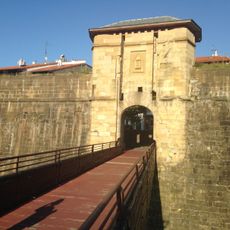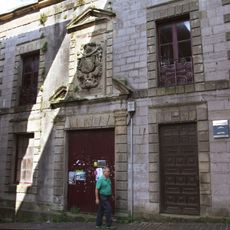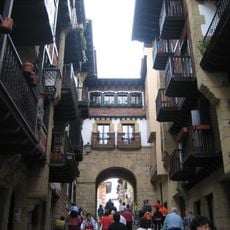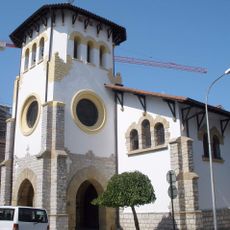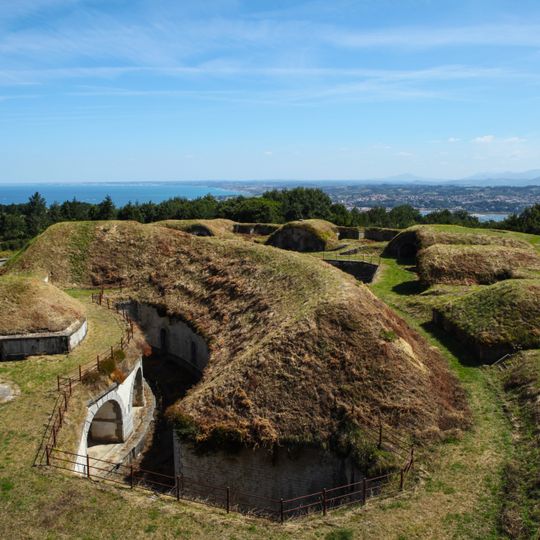
Fuerte de Nuestra Señora de Guadalupe, Military fortification on Mount Jaizkibel in Hondarribia, Spain.
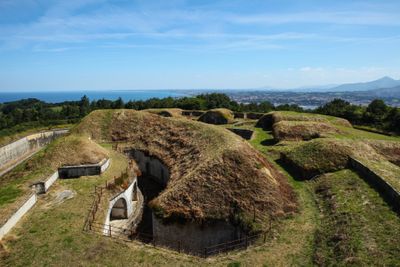
Fuerte de Nuestra Señora de Guadalupe is a polygonal fort on Mount Jaizkibel, built in 1900 to a design by military engineer Juan Roca Estades. An eight-sided ditch 750 metres long surrounds the work, flanked by five caponeras with loopholes and gun ports. Inside, three sections (Left, Right and Centre) hold barbette batteries, traverses, barracks and a three-storey building whose lower floor serves as a scarp gallery.
The fortress was built around 1900 when Spain modernized its border defenses along the Pyrenees. It served as part of a larger defensive system intended to repel attacks from the French side.
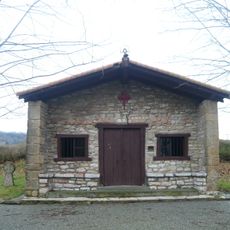
The fort takes its name from the nearby chapel of Nuestra Señora de Guadalupe on Mount Jaizkibel, not from any Mexican devotion. Its later history is darker: in 1934 it held some 500 detainees from the Asturian uprising, and between July and September 1936 republican militiamen kept 250 right-wing prisoners there, with eighteen executions including the priest Beunza and the Count of Llobregat; five militiamen were shot after the rebel capture.
The climb to the fort is steep and requires sturdy footwear and reasonable fitness, particularly when wet. Guided tours are the best way to navigate the complex passages and structures, as on-site signage is minimal.
The fort's name comes from the nearby Guadalupe chapel on Mount Jaizkibel, not from a Mexican devotion. In 1934 it held some 500 prisoners from the Asturian Revolution, and between July and September 1936 republican militiamen detained 250 right-wing people there; eighteen were shot, among them the priest Beunza and the count of Llobregat.
The community of curious travelers
AroundUs brings together thousands of curated places, local tips, and hidden gems, enriched daily by 93,455 contributors worldwide.