Roman thermae of Lucus Augusti, Public thermae from ancient Rome in Lugo, Spain.
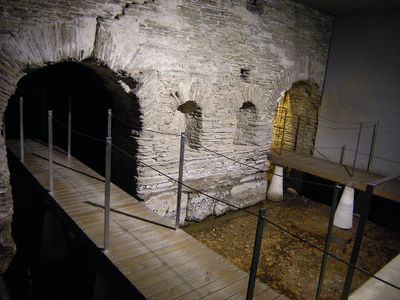
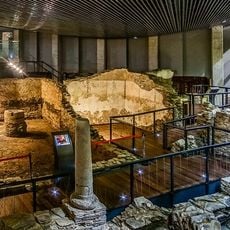
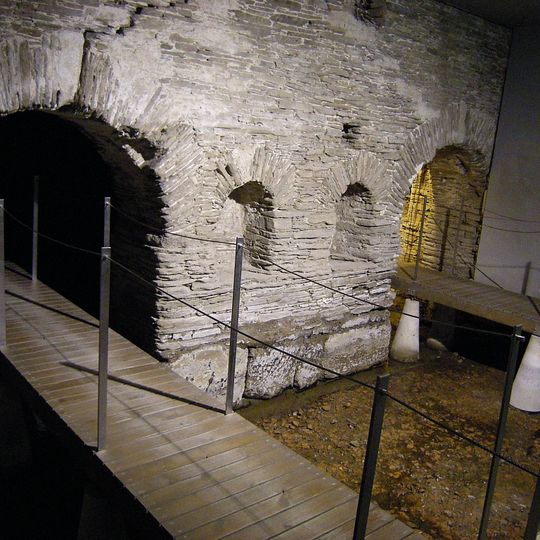
The Roman thermae of Lucus Augusti are the remains of an ancient bathing complex with different rooms such as changing areas, warm chambers, hot rooms, and cold water pools linked by stone corridors. The site clearly shows how people moved through the spaces and used each section for different temperature experiences.
The bathing complex was constructed during the first century AD and formed an essential part of the Roman settlement of Lucus Augusti in northwestern Hispania. This structure demonstrates the importance Rome placed on its infrastructure even in distant territories.
These public baths were a daily gathering place where the Roman community came to wash and spend time together in a shared space. Visiting was woven into the rhythm of daily life and held great importance for social bonds.
The archaeological site is accessible year-round during set visiting hours and features explanatory panels at each reconstructed section. Visitors should wear comfortable shoes since the terrain is uneven and requires walking across the site to explore the different areas.
The hypocaust system beneath the baths shows advanced Roman heating technology that maintained different temperatures across different areas. This sophisticated system of underground channels and heating elements reveals the technical skill of ancient Romans in constructing large-scale projects.
The community of curious travelers
AroundUs brings together thousands of curated places, local tips, and hidden gems, enriched daily by 92,381 contributors worldwide.