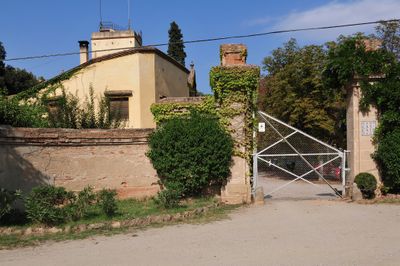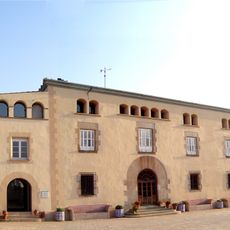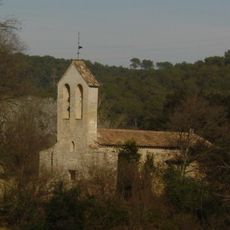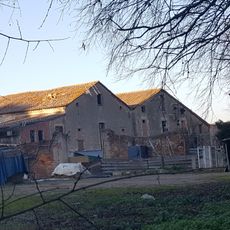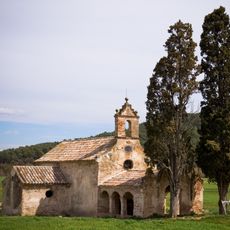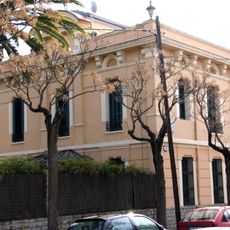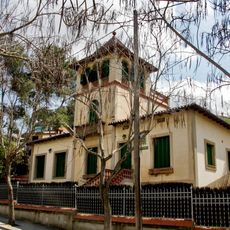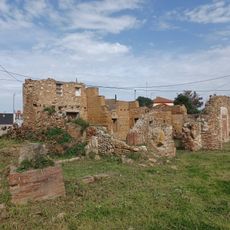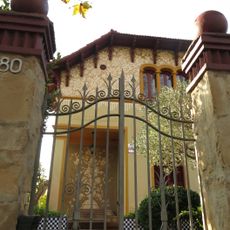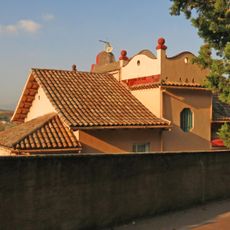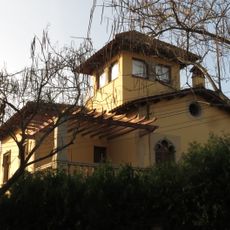
Can Catà, 18th-century masia in Cerdanyola del Vallès, Spain
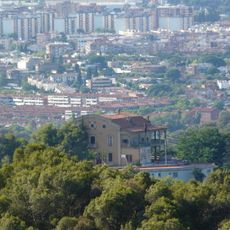
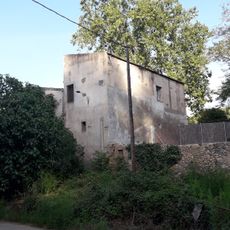
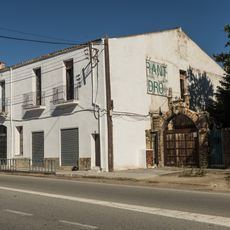
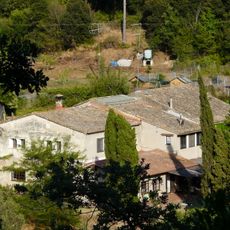
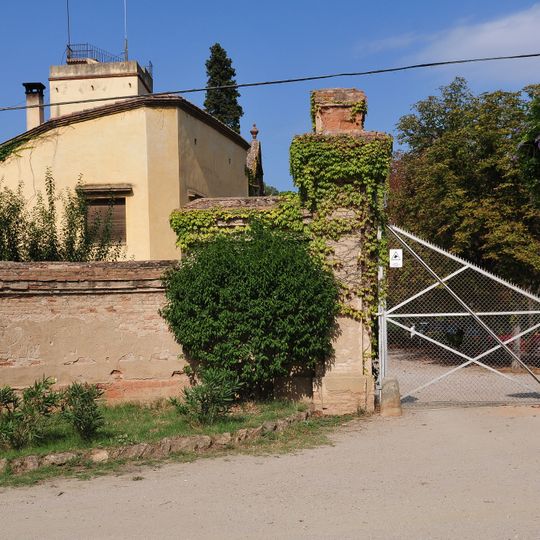
Can Catà is an 18th-century stone building located in the valley of Feixes, representing traditional Catalan rural architecture with characteristic features of the period. The structure contains multiple sections from different periods, with additions and modifications that span from its original construction through the 20th century.
The land was originally recorded as mas Fàbrega in 1387 before taking its current form in 1723 under Josep Mas i Duran. The property changed hands in 1773 when Baron Ramon de Llordella acquired it, reflecting the shifts in local land ownership over time.
The masia reflects how rural families organized their farms and homes, with spaces for living, working, and storing crops all within one complex. The layout shows the practical daily life of agricultural communities in the region.
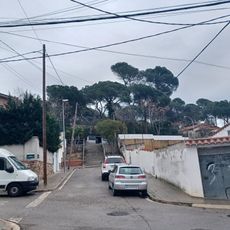
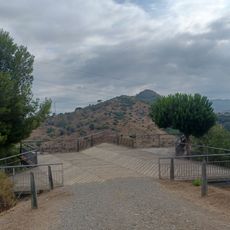
The property is situated in a rural valley setting that is best explored on foot, surrounded by open countryside. Since it holds protected status as a Cultural Asset of Catalonia, access may be restricted or require advance notice, so checking current visitor conditions beforehand is wise.
The structure incorporates building elements spanning over 6 centuries, from medieval foundations to 20th-century additions that reflect changing agricultural needs. This layering reveals how successive generations adapted and expanded their home as farming practices evolved.
The community of curious travelers
AroundUs brings together thousands of curated places, local tips, and hidden gems, enriched daily by 91,127 contributors worldwide.