Asclepius, Ancient marble sculpture at Empúries archaeological site, Spain
Asclepius is a marble statue at the Empúries archaeological site in Spain, depicting a male figure wearing a cloak and sandals. The work stands about 2.15 meters tall and shows carefully crafted facial features and drapery.
The statue was discovered in 1909 during excavations and dates to the late 2nd century BC. It combines Parian marble for the upper body with Pentelic marble for the lower portion, demonstrating the technical skill of ancient sculptors.
Most experts now identify the figure as Serapis, though it is popularly called Esculapi d'Empúries. The scepter it held in its left hand is lost; only a major deity could carry one. A snake found in the same temple was a separate piece that could not coil around a staff, so it is taken to represent Agathodaimon.
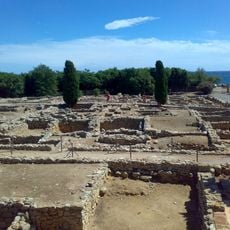
The work is on display at the Archaeology Museum in Empúries where you can examine it closely. The museum offers a good overview of the finds from the archaeological site.
Most experts now identify the figure as Serapis rather than Asclepius, since the missing sceptre it held in its left hand could only belong to a major deity. The snake found in the same temple was a separate piece that could not wrap around a staff, so it is read as an Agathodaimon.
The community of curious travelers
AroundUs brings together thousands of curated places, local tips, and hidden gems, enriched daily by 94,354 contributors worldwide.