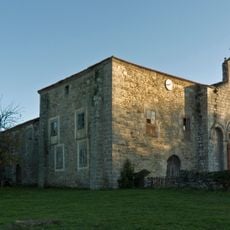
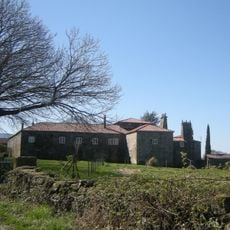
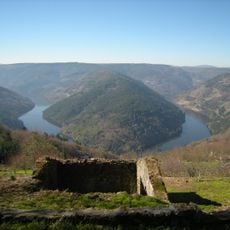
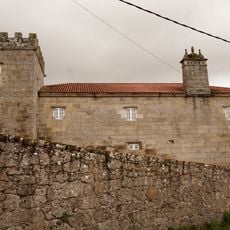
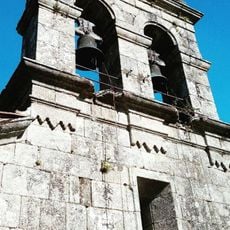
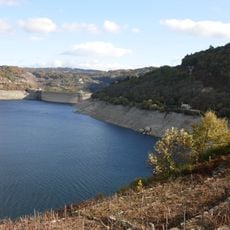
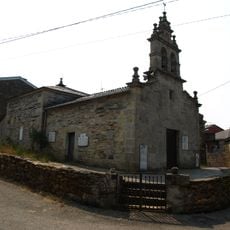
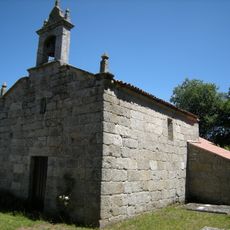
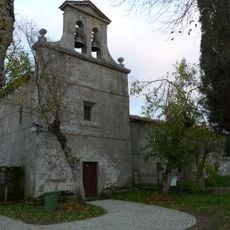
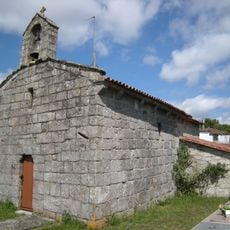
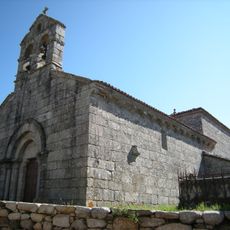
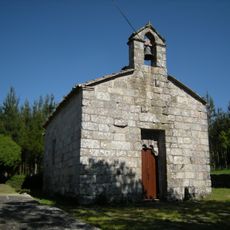
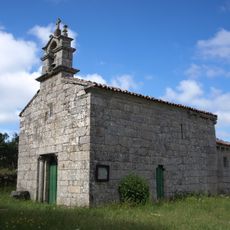
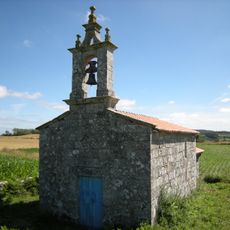
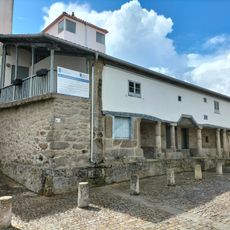
Castro Candaz, Archaeological site in Chantada, Spain
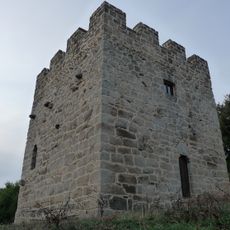
Castro Candaz is an archaeological site near Chantada with remains of ancient defensive structures and settlement traces scattered across the location. The ruins sit on elevated ground overlooking the Miño River and reveal how a fortified community was organized and built.
According to the memorial of the noble house of Camba, the consul Lucio Cambero founded Castro Candaz after fighting alongside the aunonenses tribe against two legions sent by Trajan. During the second wave of Norman invasions, local nobles took refuge there under the Erice family and received help from King Ramiro I of Asturias. The fortress was largely destroyed in the Great Irmandiña War and rebuilt by the Taboada family, who in 1474 asked the bishop of Lugo for permission to build a chapel there.
The name Candaz is linked in local memory to the castro, and the site's later use is documented: in 1474 the Taboada family asked the bishop of Lugo for permission to build a chapel at Castro Candaz so they could hear mass without leaving the fortress. The slopes were later terraced for vineyards, reshaping the site.
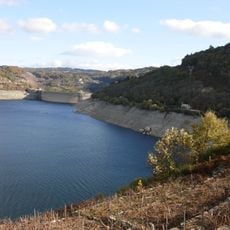
The ruins lie in the Miño riverbed at the mouth of the río da Lama and río Enviande, in Pedrafita parish, Chantada, and are flooded by the Belesar reservoir, so they are normally seen from the shore or by boat when the water level drops. Access is by minor local roads; the terrain is uneven.
The noble house of Camba held that the consul Lucio Cambero, stationed at Lugo, founded the castro after fighting alongside the aunonenses tribe against two legions sent by Trajan and withdrawing there after defeat. The claim comes from a family memorial, not from excavation.
The community of curious travelers
AroundUs brings together thousands of curated places, local tips, and hidden gems, enriched daily by 94,392 contributors worldwide.