Monastery of Santa María de la Mejorada, Former Hieronymite monastery in Calabazas, Olmedo, Spain
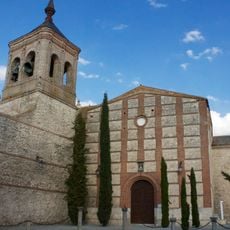
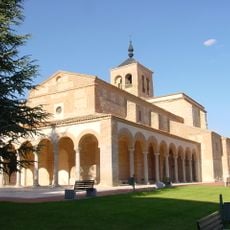
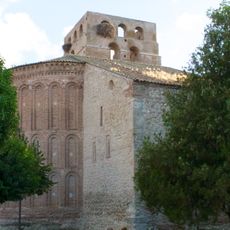
The Monastery of Santa María de la Mejorada is a former Hieronymite monastery in the hamlet of Calabazas, within the municipality of Olmedo, Valladolid. Its surviving Mudéjar chapel of the Crucifix, declared a Bien de Interés Cultural in 1931, is the main element that remains after the rest of the complex fell into ruin following the 1836 Desamortización.
A first chapel was built in 1330. In 1409 Fernando de Antequera, the future Fernando I of Aragon, gave financial help for a construction that was to include a palace and a burial place, and the house became a Hieronymite monastery. It was looted by French troops in the Peninsular War, and after the 1836 Mendizábal confiscation it passed into private hands and fell into ruin.
The monastery's name, Santa María de la Mejorada, is tied to the Jeronymite house founded here, which became a frequent stop for the Catholic Monarchs, Charles V and Philip II. In 1497 Christopher Columbus wrote a memorial at the monastery. The Mudéjar chapel of the Crucifix, declared a Bien de Interés Cultural in 1931, is the element visitors can still see today.
The monastery stands in the hamlet of Calabazas, within the municipality of Olmedo, not in the village centre itself. The surviving parts, including the Mudejar chapel of the Crucifix, have been restored, while other sections remain in ruins after the 1836 sale into private hands. Check locally in Olmedo for opening arrangements before travelling, as the former monastery is privately owned.
Alonso Berruguete carved part of the monastery's altarpiece in the 16th century. In 1497 Christopher Columbus wrote a memorial here, a document tied to his dealings with the Crown. The Mudéjar chapel of the Crucifix, the surviving part, was declared a Bien de Interés Cultural in 1931.
The community of curious travelers
AroundUs brings together thousands of curated places, local tips, and hidden gems, enriched daily by 94,713 contributors worldwide.