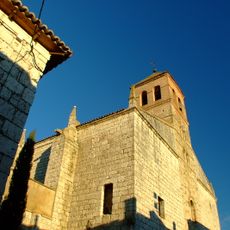
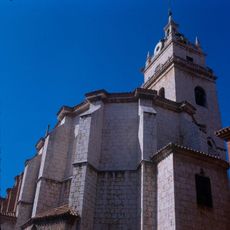
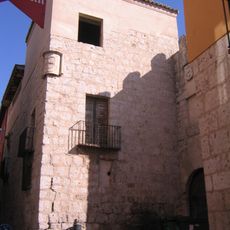
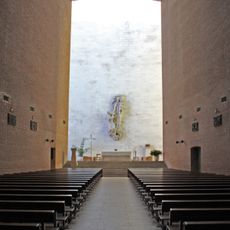
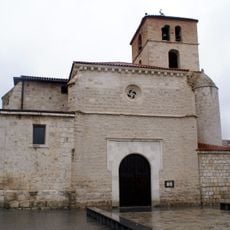
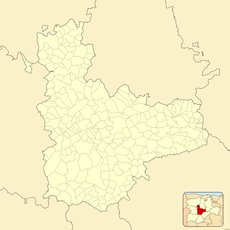
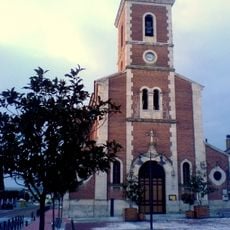
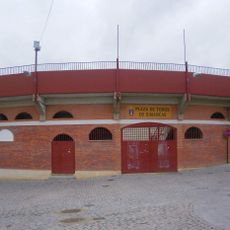
Cartuja de Aniago, Medieval monastery ruins in Villanueva de Duero, Spain.
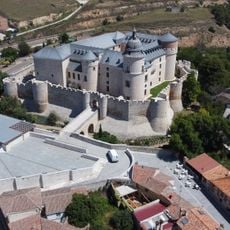
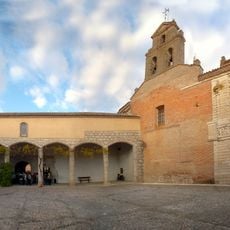
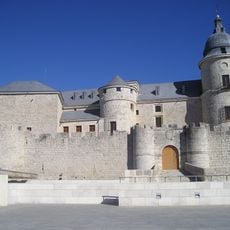
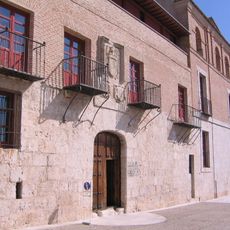
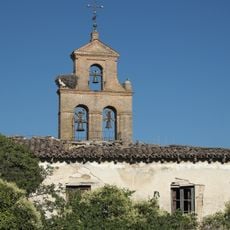
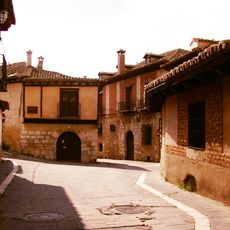
Cartuja de Aniago is a ruined Carthusian monastery at the confluence of the Duero and Adaja rivers, in Villanueva de Duero. Its buildings were deliberately humble, resembling a farmhouse from outside; a baroque bell gable and 18th-century stucco work in the church and chapter house were later additions. A masonry and rammed-earth perimeter wall enclosing the monastic complex and the settlers' houses survives almost intact.
Queen María of Aragon donated Aniago to the Carthusian order in 1441, and Pope Eugene IV confirmed the grant a year later. The first two monks came from El Paular, and the queen asked for a community of twenty-four. The monastery was suppressed in 1836 during the 19th-century confiscations and exclaustration.
The monastery served as a spiritual center where Carthusian monks lived separated from the outside world in pursuit of contemplative life. The layout of the remaining buildings still reflects how this isolated way of living was organized.
The site is accessible but requires careful attention due to unstable structures and crumbling walls. It is best to check locally before visiting to learn about current access and any safety precautions needed.
The site is listed on Spain's Red List of Endangered Heritage, making it a focal point for preservation efforts. This recognition highlights how historical places disappear without intervention and support.
The community of curious travelers
AroundUs brings together thousands of curated places, local tips, and hidden gems, enriched daily by 94,515 contributors worldwide.