Tossal del Mortòrum, Archaeological site in Cabanes, Spain
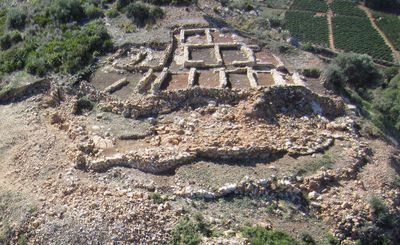
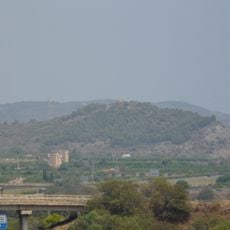
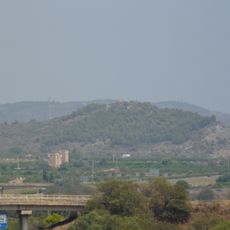
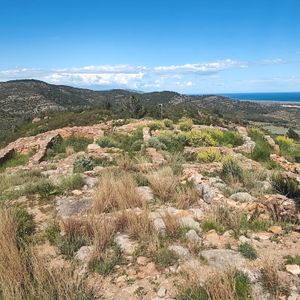
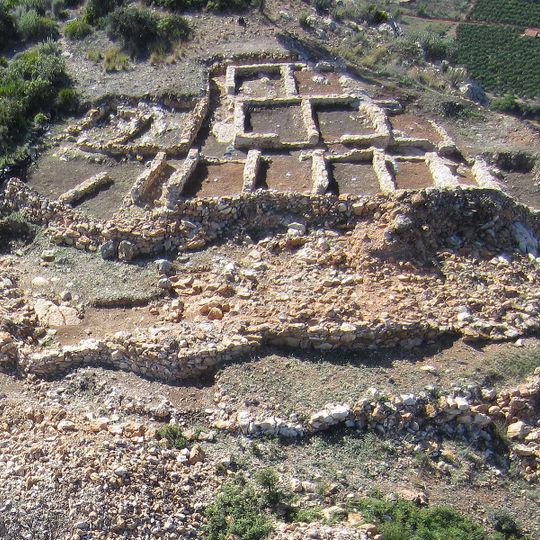
Tossal del Mortòrum is an archaeological site on a hill near Cabanes in eastern Spain that holds remains spanning several millennia. The location shows evidence of settlement from the Bronze Age through the early Iron Age, with traces of different peoples who lived in this region.
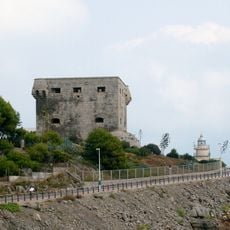
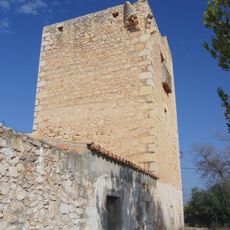
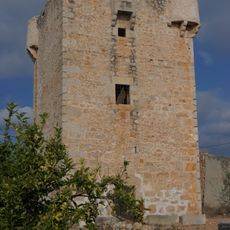
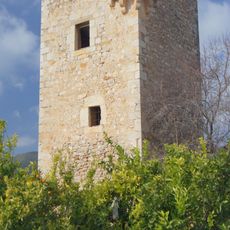
The hill was first settled at the start of the 2nd millennium BCE; a fire caused abandonment around the mid-millennium, and it was reoccupied between 1400 and 1130 BCE. After nearly 500 years, a walled settlement with a probable tower was built in the second half of the 7th century BCE, its rooms mostly used as storerooms for Phoenician trade goods. The site was abandoned around 550 BCE.
The name Mortòrum comes from Latin and refers to a place of the dead, suggesting burials were known here since the Middle Ages, though the tomb itself was only found in 2006, about 300 metres from the settlement. Dental study of the five individuals gives ages of about 7.5, 12, 20, 25-30 and over 60. Such megalithic-type tombs are common elsewhere in Spain but not in Castellón.
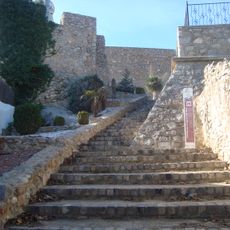
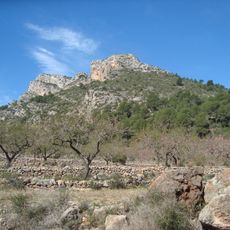
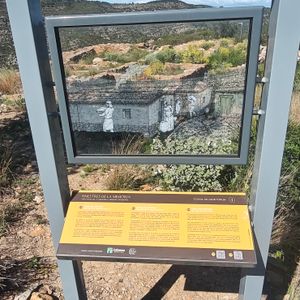
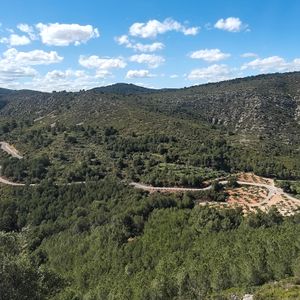
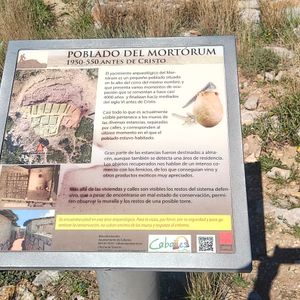
The hilltop is reached on foot along a signposted route with explanatory panels, in place since 2015. The slopes are steep, so allow time for the climb and wear suitable footwear. The route links the settlement area with the burial mound, which lies about 300 metres from the village remains.
The name Mortòrum comes from Latin and refers to places of death or burial grounds, reflecting the discovery of burial remains there. This suggests the location was used as a burial place across different periods.
The community of curious travelers
AroundUs brings together thousands of curated places, local tips, and hidden gems, enriched daily by 95,498 contributors worldwide.