Castillo de Calatañazor, Medieval castle in Soria Province, Spain.
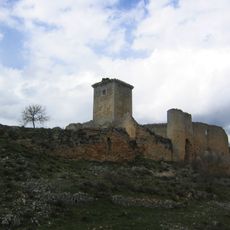
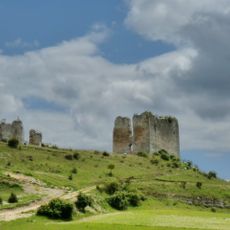
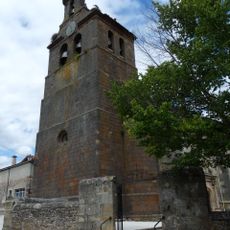
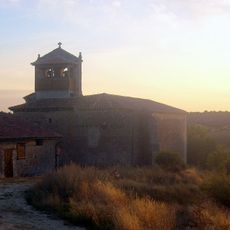
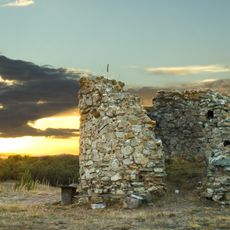
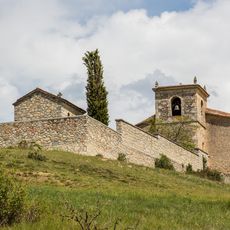
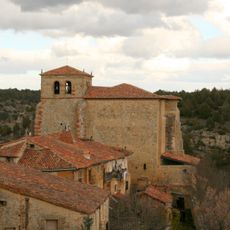
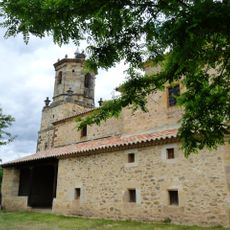
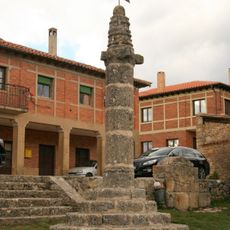
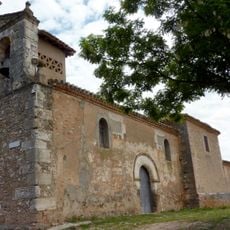
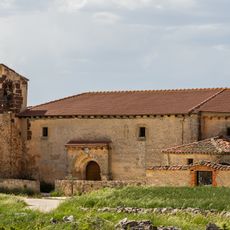
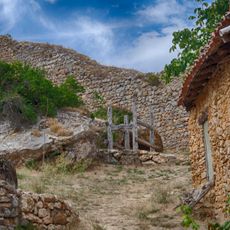
Castillo de Calatañazor, also called Castillo de los Padilla, preserves sections of its walls and part of the keep, built of rubble masonry with ashlar reinforcement at the corners, where traces of Arabic work and a Gothic window remain. Its former parade ground now opens onto the village as a porticoed square, presided over by the keep's remains and the jurisdictional pillory. On the northwest side, the most vulnerable, a moat survives; on the Sangre valley side, the cliffs themselves provide protection.
The fortress was built in the 12th century as a defensive stronghold during conflicts between Christian and Moorish kingdoms in medieval times. It was part of a chain of fortifications that both powers constructed to secure and control their territorial holdings across the peninsula.
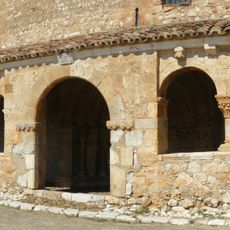
The name Calatañazor derives from the Arabic Qalat al-Nasur, meaning 'castle of the vulture' or, for some, 'nest of eagles'. The castle is also called Castillo de los Padilla after Juan Fernández de Padilla, royal chamberlain of Enrique II of Castilla, who made it the ancestral seat of his lineage. The old courtyard of arms now opens onto the village as a porticoed plaza, presided over by the keep's remains and the jurisdictional rollo or picota, a stone pillar symbolizing royal and seigneurial power over the town.
The site is accessible to visitors via a path that leads from the village of Calatañazor and is relatively easy to reach on foot. It is advisable to wear comfortable walking shoes and allow time to explore the ruins and enjoy the surrounding views.
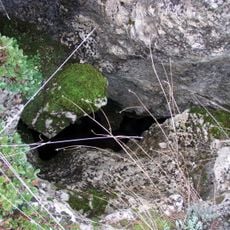
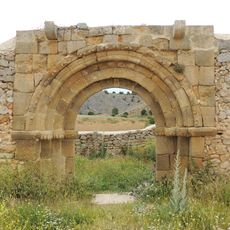
The triple rock-cut tomb beneath the castle is dated from the 10th century, so it predates the 12th-century fortress. The site also keeps a Gothic window and traces of Arabic masonry in the keep, and the old parade ground now opens onto the village as a porticoed square with the jurisdictional pillory.
The community of curious travelers
AroundUs brings together thousands of curated places, local tips, and hidden gems, enriched daily by 94,468 contributors worldwide.