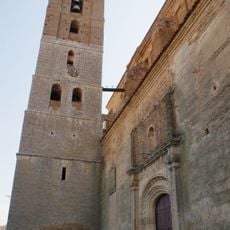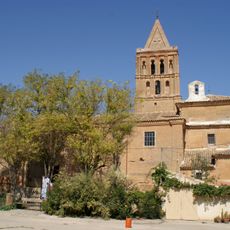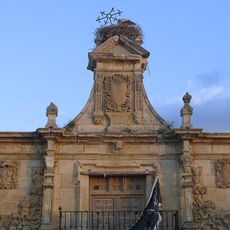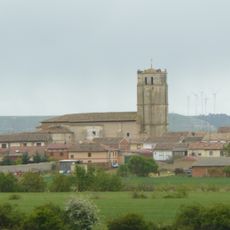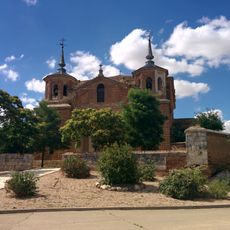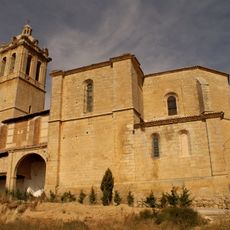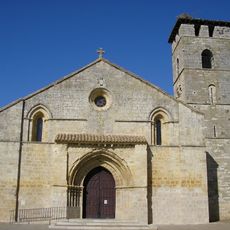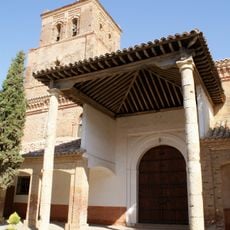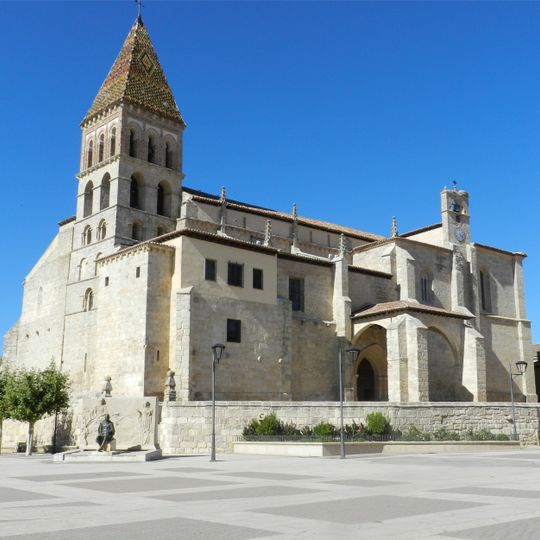
Iglesia de Santa Eulalia, Romanesque church in Paredes de Nava, Spain
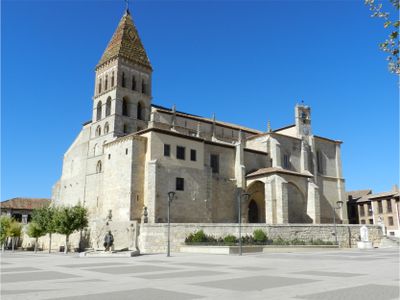
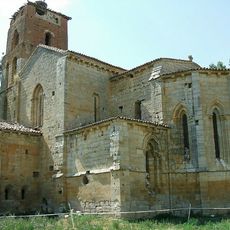
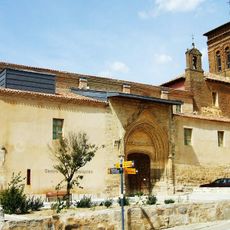
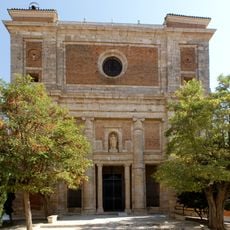
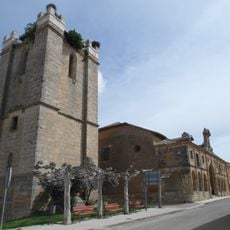
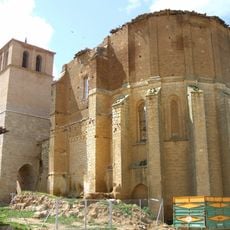
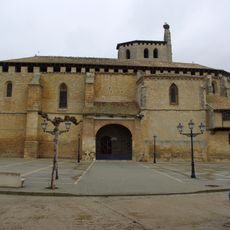
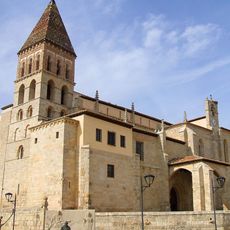
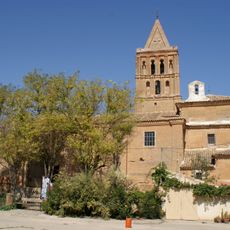
The Iglesia de Santa Eulalia in Paredes de Nava is a church building that combines Romanesque, Gothic, Mudéjar, and Renaissance elements in its structure. The building features a distinctive 45-meter tower and houses a collection of approximately 300 artworks from different periods.
The present Gothic church replaced a 12th-century Romanesque temple originally dedicated to Nuestra Señora de la Asunción; it was rededicated to Saint Eulalia of Mérida, whose relics passed through these lands on the way to Oviedo. Construction ran from the 12th to the 16th century, and in the mid-16th century the Gothic apse was replaced by a Flamboyant Gothic chevet. It was declared a National Monument in 1962.
The church was originally dedicated to Nuestra Señora de la Asunción; it was renamed for Saint Eulalia of Mérida because her relics passed through these lands on the way to Oviedo in the 3rd century, and devotion to her grew among the faithful. Since 13 September 1964 it has housed Spain's first parish museum of sacred art, alongside religious celebrations.
The church is open for Sunday services and offers guided tours for visitors who wish to explore the interior. It is useful to check beforehand when tours are available so you can fully experience the art collection and architectural details.
Inside the church stands a carved pulpit from the 15th century in Mudéjar style, which remains a notable example of skilled craftsmanship. Also remarkable is the functional Baroque organ from 1780 built by master craftsman Tadeo Ortega, which still produces sound today.
The community of curious travelers
AroundUs brings together thousands of curated places, local tips, and hidden gems, enriched daily by 94,663 contributors worldwide.