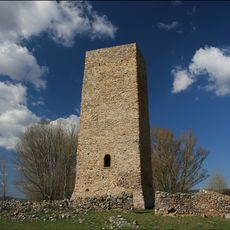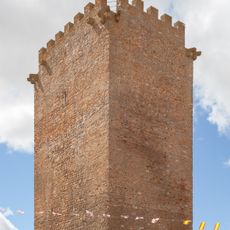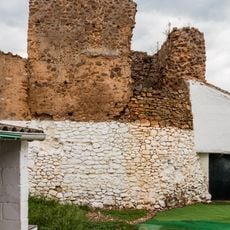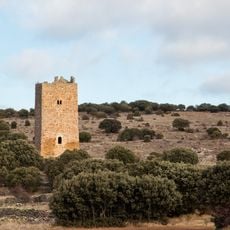
Archaeological site of Augustóbriga, archaeological site in Spain
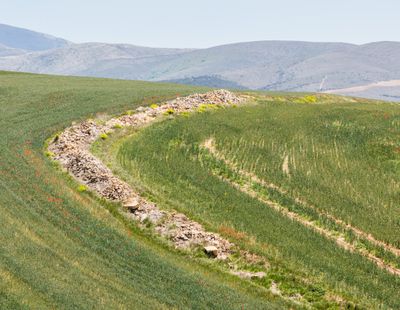
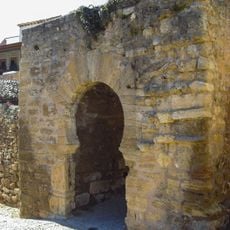
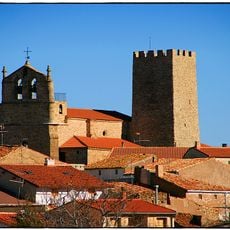
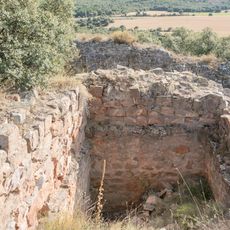
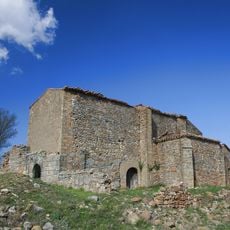
Augustóbriga is an archaeological site of an ancient city that once sat on flat land about 300 meters (1,000 feet) above sea level along the Tajo River. The remains include Roman temples with unusual arches, granite fortification walls, underground water channels, and remnants of storage facilities and workshops from Roman times.
The town was initially founded by Celtiberians and showed signs of settlement as early as the 7th century BC before becoming the Roman city Augustóbriga around 33-34 BC, named after Emperor Augustus. It grew into an important trading hub with fortified walls, public buildings, and infrastructure like aqueducts, until it was eventually submerged by the waters of the Valdecañas reservoir built in 1963.
The name Augustóbriga comes from the Roman Emperor Augustus, who gave the town its formal identity. The ruins show how different peoples met here and left their marks, from the Celtiberians to the Romans who later arrived.
The site is open to visitors year-round with no entrance fee. The most important ruins, including the Los Mármoles temple, sit on hillsides next to the road between Navalmoral de la Mata and Guadalupe and can be visited easily. Guided tours are available for groups who want a deeper understanding of the layout and history.
The most famous ruin, the Los Mármoles temple, features an unusual arch that may reflect eastern influences or serve for structural support and light, setting it apart from typical Roman temples. Experts still debate exactly how and why this distinctive design was used.
The community of curious travelers
AroundUs brings together thousands of curated places, local tips, and hidden gems, enriched daily by 90,823 contributors worldwide.