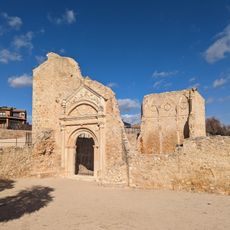
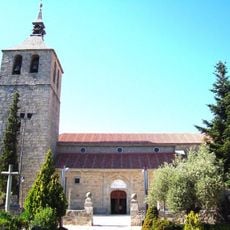
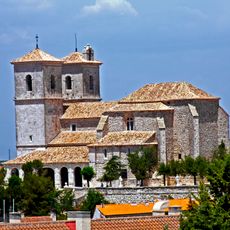
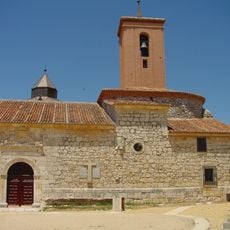
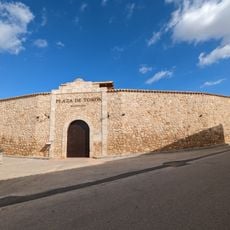
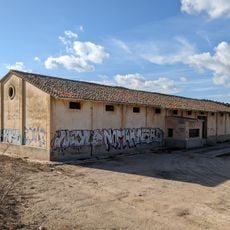
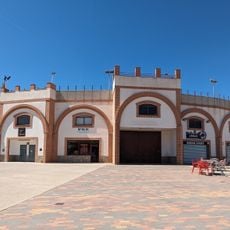
Conjunto Histórico de Nuevo Baztán, Industrial heritage complex in Nuevo Baztán, Spain.
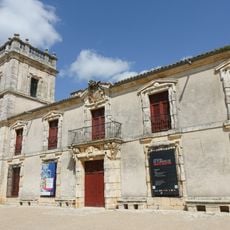
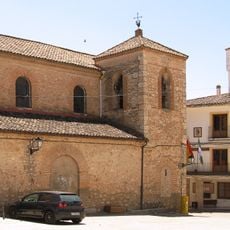
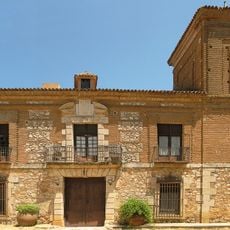
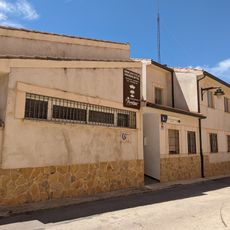
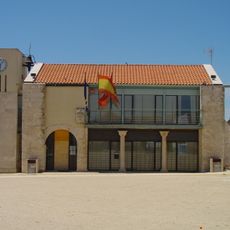
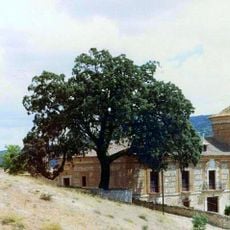
The Conjunto Histórico de Nuevo Baztán is an industrial settlement in Spain that includes a palace, a church, factory buildings, and residential houses arranged in a geometric grid pattern. The buildings are connected by straight streets and open squares that organize the entire complex in an orderly way.
Juan de Goyeneche founded this complex in 1709 and architect José Benito de Churriguera completed the project by 1713. It was built as an experiment in creating a working industrial settlement with housing and manufacturing facilities all in one planned location.
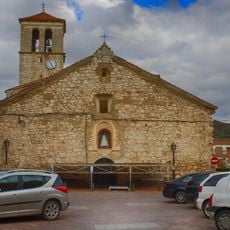
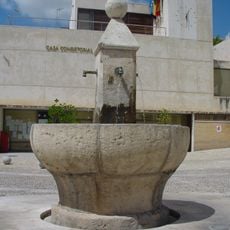
The name Nuevo Baztán recalls the Navarrese origin of Juan de Goyeneche. The palace's wine cellars run beneath it, turning north and then northwest to cross Calle Jardines and reach the hayloft, with a branch opening onto the Plaza de las Fiestas. The three linked squares—Plaza de la Iglesia, Plaza del Secreto and Plaza de las Fiestas—structured community life.
The site keeps its original street layout with six main blocks connected through several squares, including the Plaza de la Iglesia and Plaza del Secreto. Visitors can walk through the entire complex and explore how the buildings are arranged in an orderly pattern.
This site represents an early attempt in Spain to combine glass manufacturing, textile production, and agricultural work all in one planned location. Such a blend of different industries within a single structured settlement was quite novel for its era.
The community of curious travelers
AroundUs brings together thousands of curated places, local tips, and hidden gems, enriched daily by 94,789 contributors worldwide.