Sant Sebastià dels Gorgs, cultural property in Avinyonet del Penedès, Spain
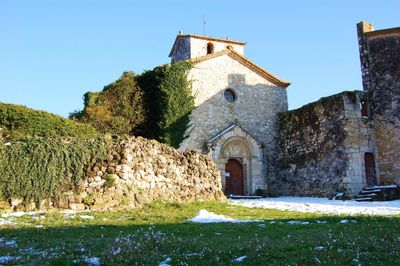
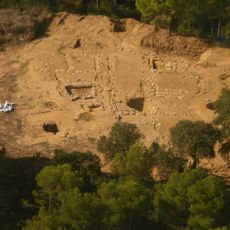
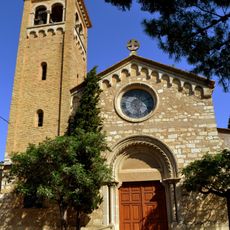
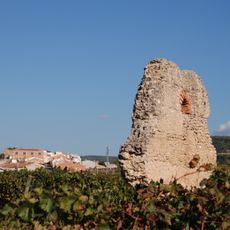
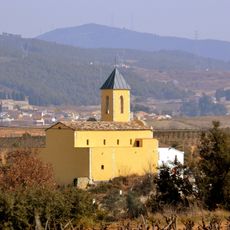
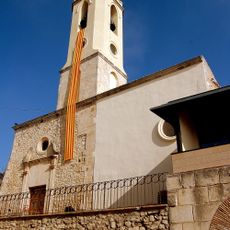
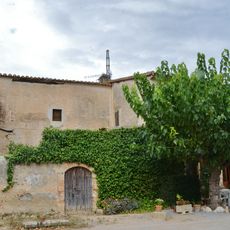
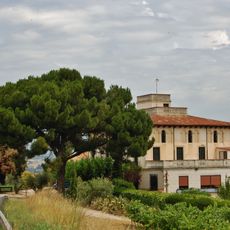
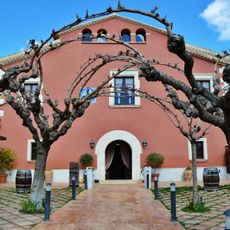
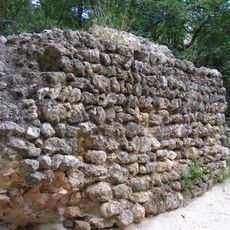
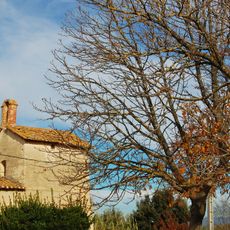
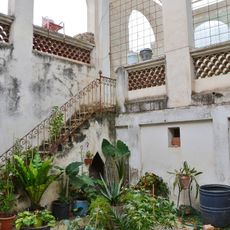
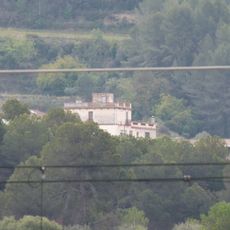
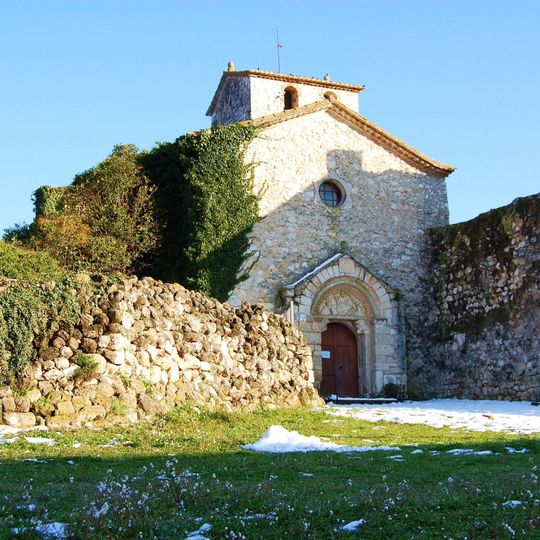
Sant Sebastià dels Gorgs is a former monastery with a church combining Romanesque and Renaissance architectural styles. The building sits on a natural hilltop and features thick stone walls with simple forms, a vaulted nave, small windows allowing soft light, and the remains of a cloister once surrounded by covered walkways supported by plain stone columns.
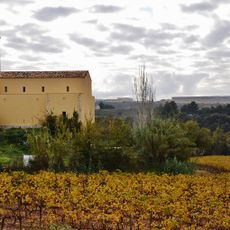
The site was first mentioned in 976 when land was donated to a nearby monastery, but the church buildings themselves were documented beginning in 1024. In 1030, noblewoman Ermengarda bequeathed her vineyards and estates to the church and ordered four monks to reside there in prayer, establishing the foundation of the monastic community.
The name derives from a small stream called Gorgs that still flows nearby the site. For centuries, the monastery served as the main religious community for surrounding villages and towns, a role that became woven into local identity and tradition.
The site is located in rural countryside and is best explored on foot to take in the church, cloister remains, and bell tower at a relaxed pace. Some areas are restricted to preserve their integrity, so follow any posted signs and walk carefully among the historic stone structures.
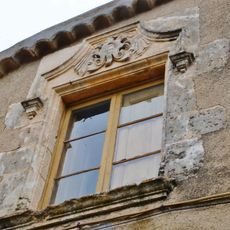
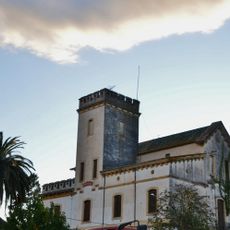
The bell tower stands empty of bells today, though it once rang with sound that structured the daily rhythms of monastic life. Carved stone capitals from the 11th century featuring plant and abstract patterns reveal the artistic style of the era and help visitors imagine how the monastery appeared in its earlier glory.
The community of curious travelers
AroundUs brings together thousands of curated places, local tips, and hidden gems, enriched daily by 92,634 contributors worldwide.