Anfiteatro y necrópolis romana, Roman archaeological complex in Carmona, Spain
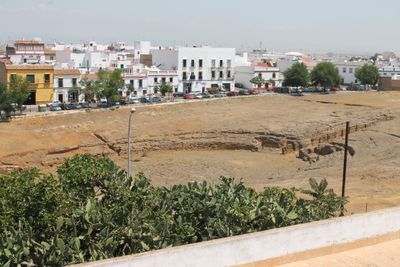
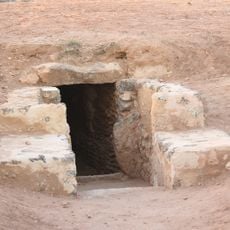
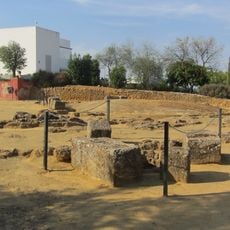
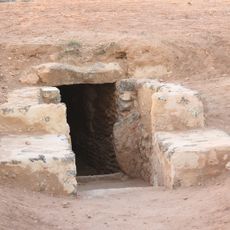
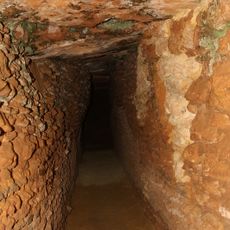
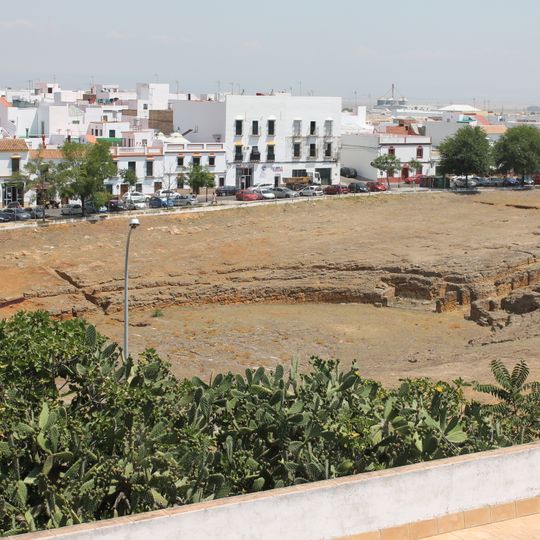
The amphitheater and necropolis in Carmona form an archaeological complex with burial chambers and underground structures carved into rock. The site spans several hectares and includes famous tombs such as the Elephant Tomb and the Servilia Tomb.
The site dates to Roman times and was discovered in the 19th century during construction work, sparking formal research efforts. Those early excavations helped reveal how Romans lived and buried their dead in this region.
The necropolis shows how Romans buried their dead through family tombs and cremation areas, where painted walls inside the chambers still show scenes from daily life. Walking through, you can see how people arranged their graves and decorated them for the afterlife.
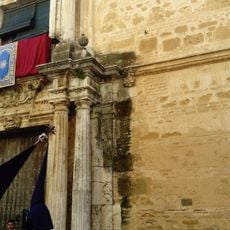
The complex sits on the western side of Carmona and is easy to reach with paths leading to the main tombs. It is best visited during daytime with good lighting and comfortable footwear, as the ground is uneven and sometimes rocky.
The amphitheater here was one of the earliest structures of its kind on the Iberian Peninsula and served both as an entertainment venue and burial ground. This blend of public entertainment space and cemetery is unusual and shows how Romans combined different uses in one place.
The community of curious travelers
AroundUs brings together thousands of curated places, local tips, and hidden gems, enriched daily by 91,127 contributors worldwide.