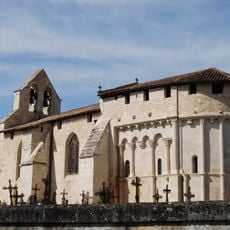
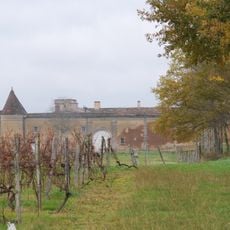
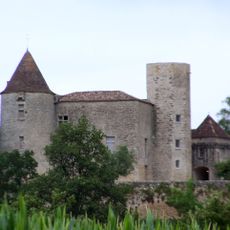
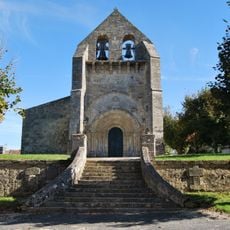
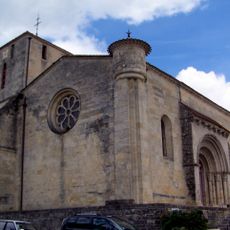
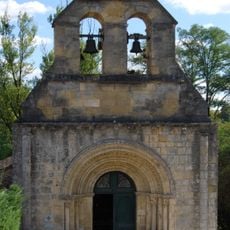
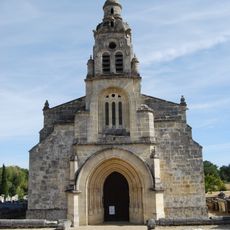
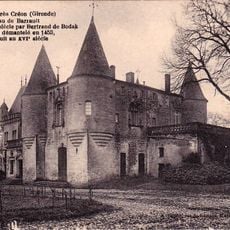
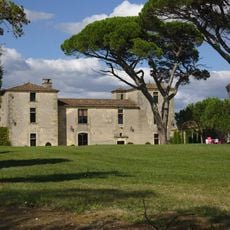
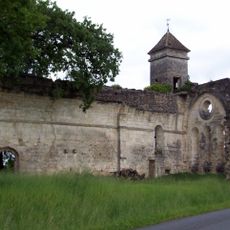
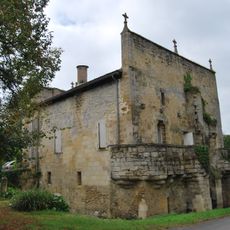
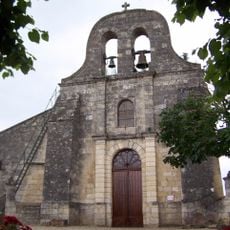
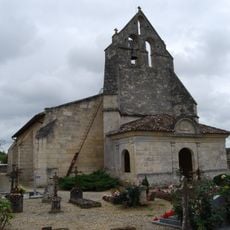
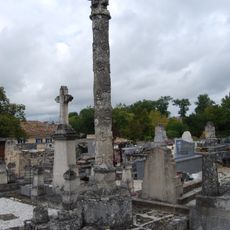
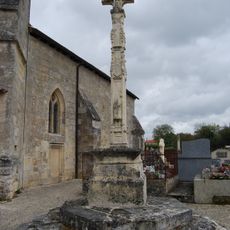
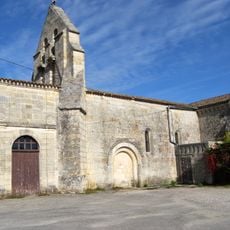
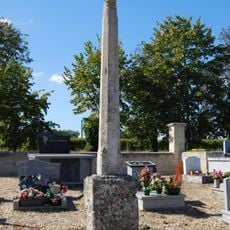
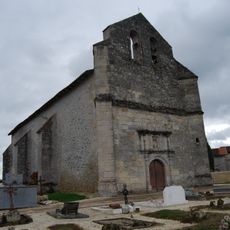
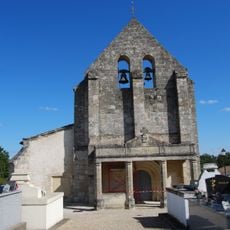
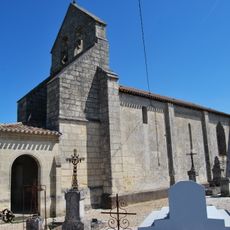
Grande-Sauve Abbey, Romanesque abbey in La Sauve, France.
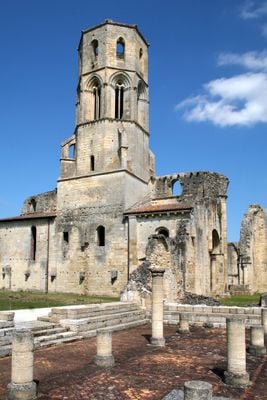
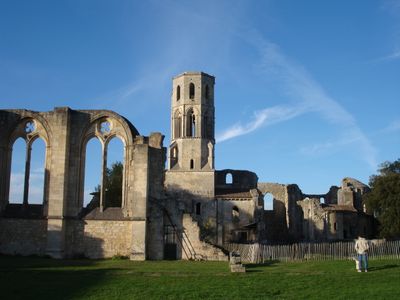
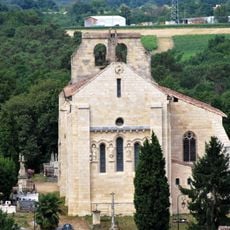
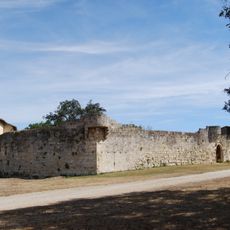
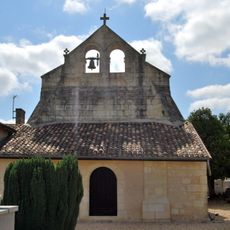
Grande-Sauve Abbey is a Romanesque monastery ruin in La Sauve, southeast of Bordeaux, and is part of the UNESCO World Heritage Site of the Routes of Santiago de Compostela. What remains standing includes a tall bell tower and rows of carved stone columns with decorated capitals, set on a slight rise above the surrounding countryside.
The abbey was founded in 1079 by a monk named Geraldus and quickly became one of the most influential Benedictine centers in southwestern France, with dependent priories spread across the region. After the French Revolution it was abandoned, and the buildings slowly fell into ruin before being protected in the 20th century.
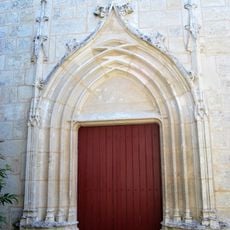
The carved capitals show animals, demons, and saints that visitors can study up close, at eye level in many places. These images were meant to teach religious stories to people who could not read.
The ground across the site is uneven, so sturdy shoes are a good idea, especially after rain. A small on-site museum offers context before you walk through the ruins, which helps make sense of what is still standing.
After the Revolution the buildings were used as a prison for a period, and some of the modifications made at that time are still visible in the stonework. This makes the site unusual, since visitors can trace changes from monastery to place of detention in the same walls.
The community of curious travelers
AroundUs brings together thousands of curated places, local tips, and hidden gems, enriched daily by 60,000 contributors worldwide.