Villeneuve-lès-Maguelone, commune in Hérault, France
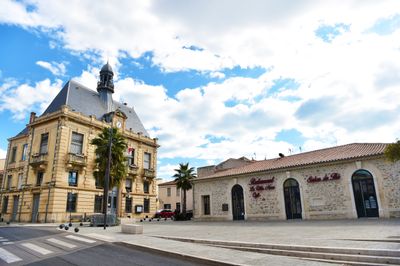
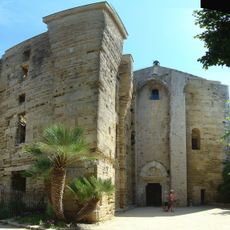
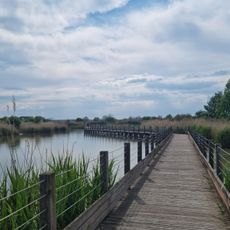
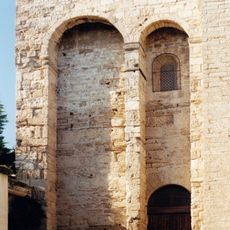
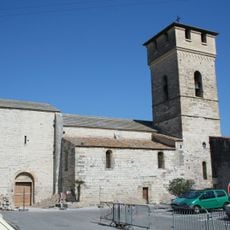
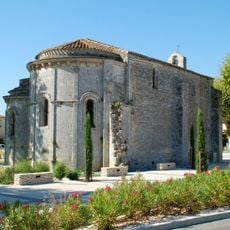
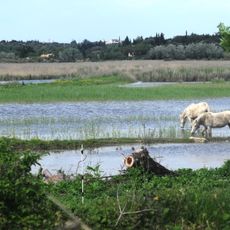
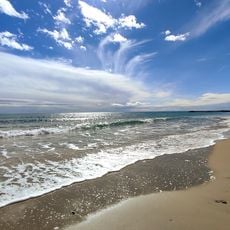
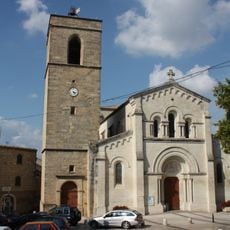
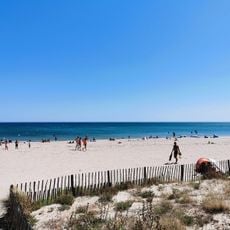
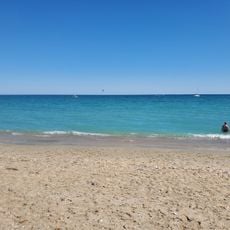
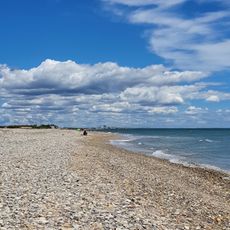
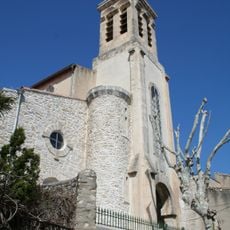
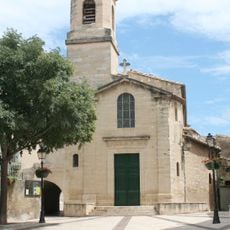
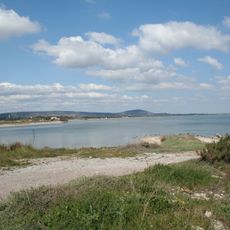
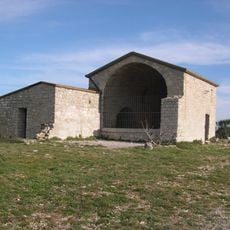
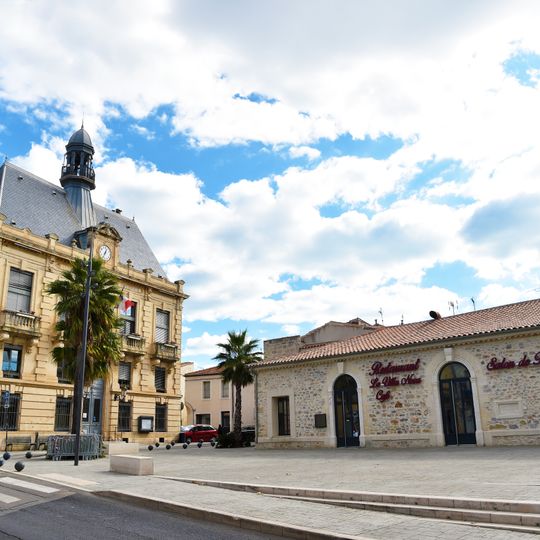
Villeneuve-lès-Maguelone is a small commune in Hérault, south of Montpellier, located between the sea and lagoons in the region. The settlement features quiet streets, open vineyards, a Romanesque stone building with thick fortress-like walls at its center, and expansive natural areas where land and water form a patchwork of different habitats.
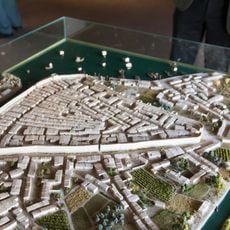
The area has been inhabited since Paleolithic times and served as a bishopric seat for about a thousand years, helping establish Montpellier and its university. The medieval building was repeatedly destroyed and rebuilt, functioning as a fortified cathedral with defensive features, reaching its peak in the Middle Ages before declining in later centuries.
The town is linked to the Christian history of the region through a cathedral dedicated to Saint Pierre and Saint Paul. Local winemakers known as the Companions of Maguelone have cultivated vineyards since the 1970s using organic methods, and visitors can taste local wines while learning about traditional agricultural practices.
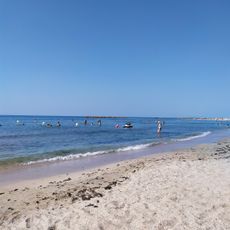
The site is accessible by car with a large parking area, from which visitors can walk or take a small train during summer months. Cyclists can use nearby bike stations and trails, and the area offers restaurants serving local food as well as camping options close to the beaches and village.
A remarkable story connects a 14th-century scholar named Arnaud de Villeneuve to the village, with his statue still visible today missing its hands. According to local legend, German soldiers took the hands during the Second World War, though some say time was responsible for the damage.
The community of curious travelers
AroundUs brings together thousands of curated places, local tips, and hidden gems, enriched daily by 91,834 contributors worldwide.