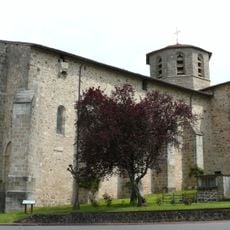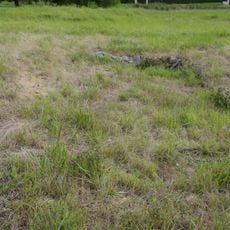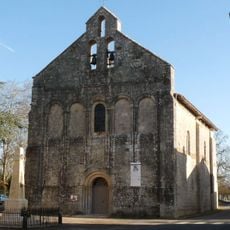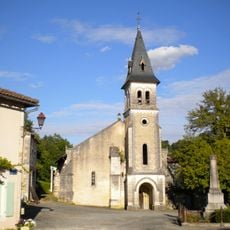
Grotte de la Mairie, Prehistoric cave art site in Teyjat, France
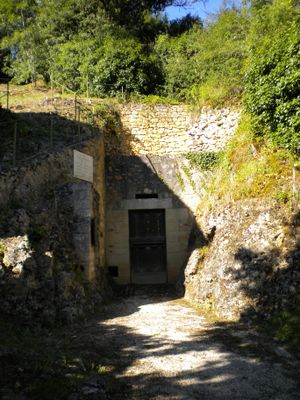
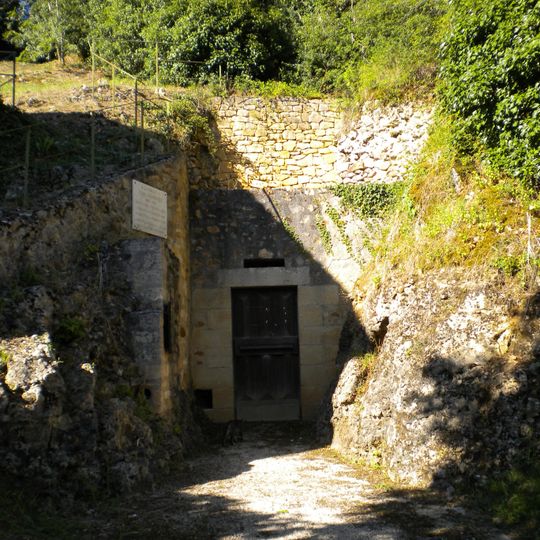
The Grotte de la Mairie is a cave beneath the village school that holds engravings from the Magdalenian period carved into the calcite walls. The space stretches over 75 meters and contains roughly forty animal figures executed with careful precision on the rock surface.
The artistic treasures of this site were discovered in 1880 when Édouard Perrier du Carne uncovered stone tools and bone artifacts during initial excavations. These findings reveal that people lived here and created art during the Magdalenian period, approximately 12,000 years ago.
The carved animals on the rock face reveal which creatures lived in this region thousands of years ago. Visitors can recognize horses, deer, and bears depicted with careful attention to their shapes and features.
Since the cave itself is not open to visitors as it lies beneath the village, an exhibition space nearby provides displays about Paleolithic daily life and tools. Plan to spend time in this exhibition to learn more about what the site contains and how people lived during that era.
The site preserves two separate archaeological layers containing different tool types, with single-barbed and double-barbed harpoons showing how hunting techniques changed over time. These layers reveal that people returned to this location repeatedly across generations.
The community of curious travelers
AroundUs brings together thousands of curated places, local tips, and hidden gems, enriched daily by 91,494 contributors worldwide.