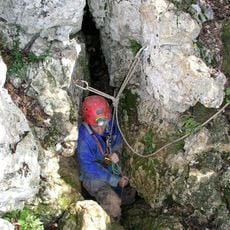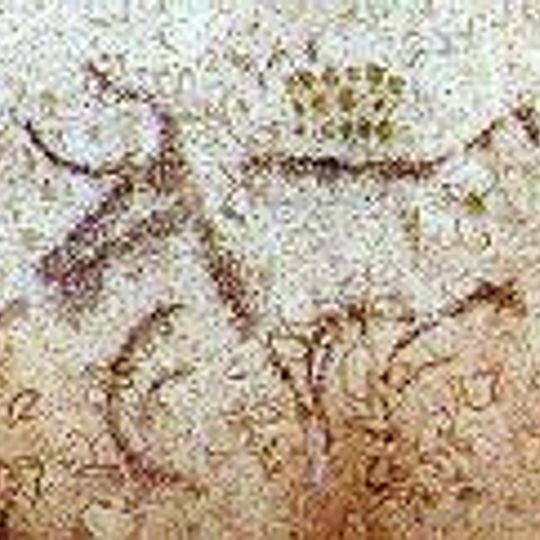
Grotte de la Tête du Lion, Archaeological site in Bidon, Ardèche, France.
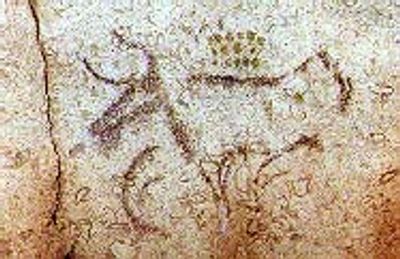
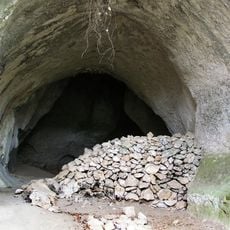
Grotte de la Tête du Lion is an archaeological site with prehistoric wall paintings in southeastern Ardèche. The cave contains a red ochre female bovine figure measuring about 65 centimeters in length along with additional animal forms and yellow markings on its rock walls.
The cave was discovered in 1963 during road construction by speleologists Robert Brun and Michel Pagès. The paintings date to the Late Gravettian period around 26,800 years ago, confirmed through carbon-14 analysis of charcoal samples found in the same layer.
The main panel displays multiple animal figures including two ibexes and a deer positioned beneath the large bovine form, with yellow dots creating a rectangular shape above. This arrangement offers insight into how prehistoric people used cave walls as a means of expression.
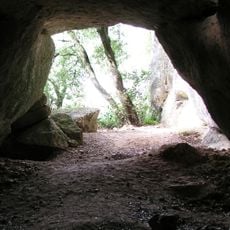
The cave is located in southeastern Ardèche and belongs to the municipality. Access typically requires advance notice as the site is carefully managed to protect its important archaeological value.
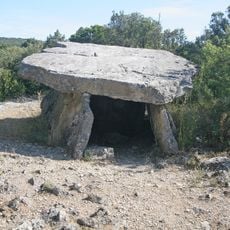
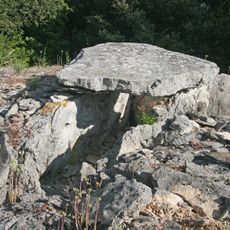
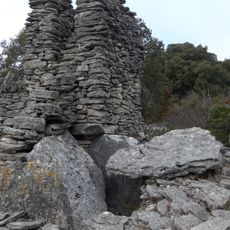
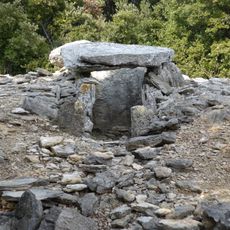
The cave takes its name from a nearby rock outcrop whose shape resembles a lion's head. This geological formation defines the surrounding landscape and gave the location its distinctive name.
The community of curious travelers
AroundUs brings together thousands of curated places, local tips, and hidden gems, enriched daily by 92,188 contributors worldwide.