Salsigne mine, mine in France
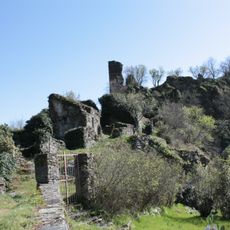
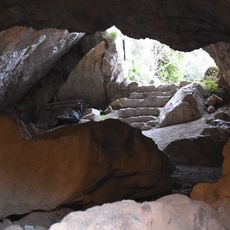
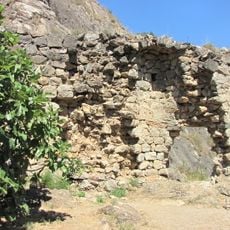
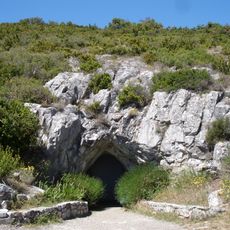
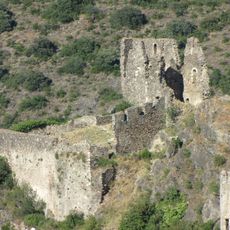
The Salsigne mine is a historical gold and arsenic mining site in the French village of Salsigne that officially closed in 2004. The landscape features artificial hills made from mining waste, old chimneys, and large holes in the ground, while underground the contamination from centuries of extraction remains hidden beneath the surface.
The mine operated for over a hundred years as Western Europe's first gold mine and the world's largest arsenic mine, extracting gold, arsenic, and lead. The extraction activities transformed the landscape dramatically and created contamination that persists to this day.
Salsigne was shaped for over a century by miners and their families who lived in small communities around the site and worked despite dangerous conditions. This shared experience created a strong sense of community that remains part of the local identity today.
Visitors should be aware that large portions of the site are dangerous and marked with warning signs that are sometimes small or missing, so it is important to stay on marked paths. Beneath the seemingly peaceful green surface with plants and artificial hills lie thousands of tons of toxic materials, which is why entering unsecured areas is not advisable.
One distinctive feature is the so-called coffee effect, where large blocks of arsenic-containing stone are broken into fine dust that mixes easily with water, making the arsenic mobile and dangerous. This process caused arsenic particles to travel downstream all the way to the Mediterranean Sea, spreading the site's contamination problems far beyond local boundaries.
The community of curious travelers
AroundUs brings together thousands of curated places, local tips, and hidden gems, enriched daily by 92,788 contributors worldwide.