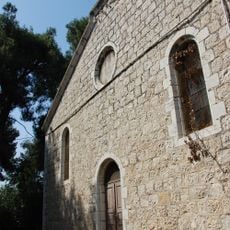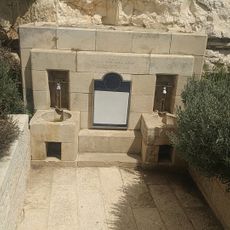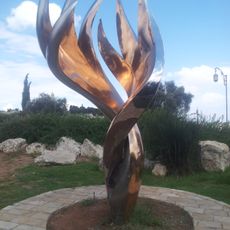
Ketef Hinnom, Archaeological site in Jerusalem, Israel
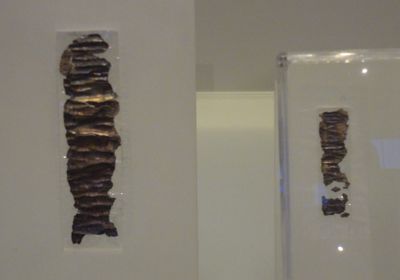
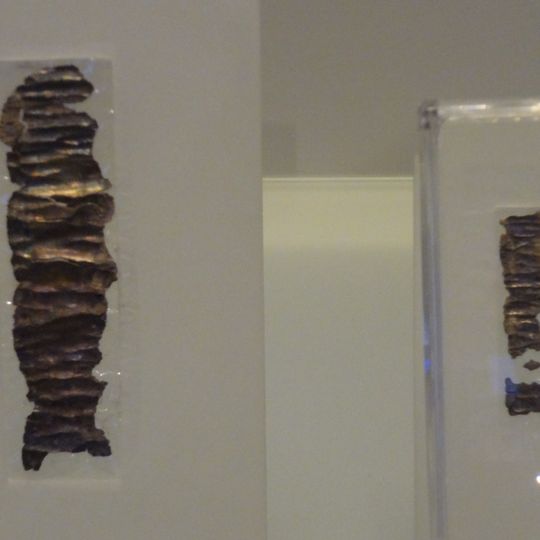
Ketef Hinnom is a burial complex southwest of the Old City of Jerusalem that includes several rock-cut chambers carved into the slope. Tomb number 24 lies within one of these chambers and was the findspot of two small silver scrolls that rank among the oldest known Hebrew inscriptions and are now kept at the Israel Museum.
The burial site originated in the 7th century BCE and was used over several generations by families who laid their dead to rest in the rock chambers. The silver scrolls were discovered during an excavation in 1979 and are considered the earliest evidence of biblical texts outside the Dead Sea Scrolls.
The two silver amulets were worn as jewelry and meant to protect the wearer, a practice common in the region at that time. This tradition shows how people integrated religious texts into daily life and kept them close to the body for blessing and safety.
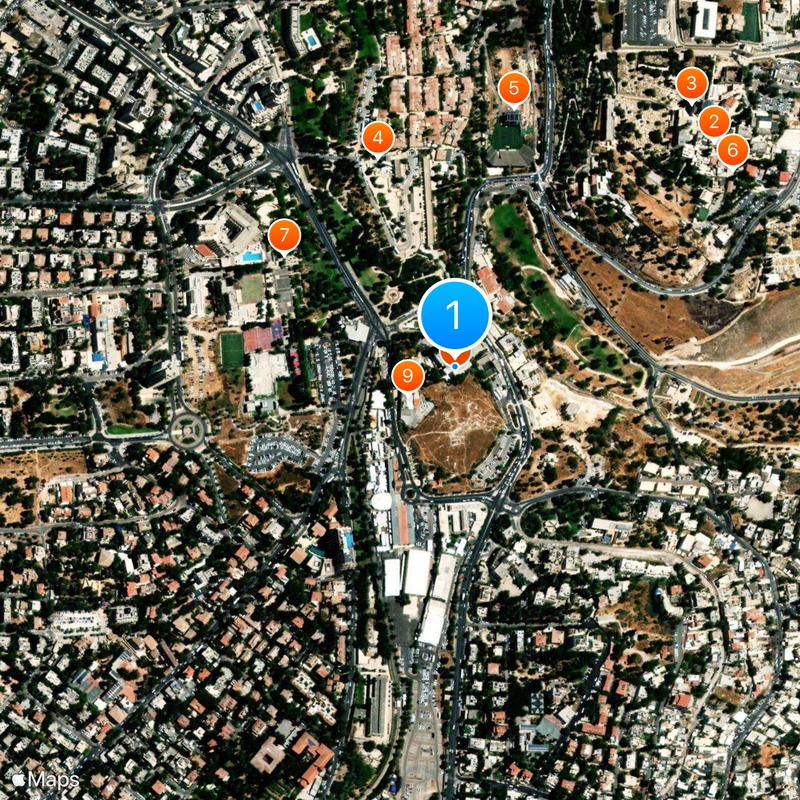
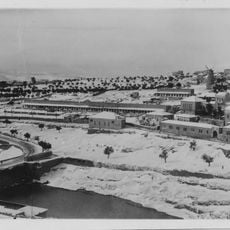
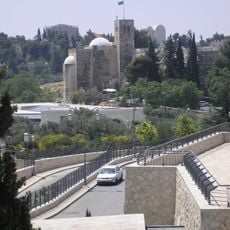
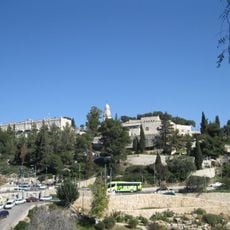
The site sits on open ground reached on foot and forms part of a larger excavation area with additional tombs and structures from different periods. Visitors should wear sturdy shoes and be ready for uneven paths, as the terrain is rocky and partly sloped.
The inscriptions on the scrolls closely resemble the priestly blessing from the Book of Numbers and prove that this text was already in use centuries before the version of the Bible known today. The fine engravings on the thin silver foil required exceptional craft precision and patience when rolling them up before the amulets were sealed shut.
The community of curious travelers
AroundUs brings together thousands of curated places, local tips, and hidden gems, enriched daily by 90,935 contributors worldwide.