Ratisbonne Monastery, Monastery in Rehavia, Israel
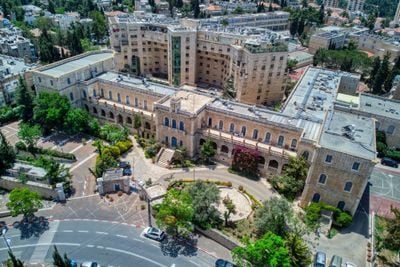
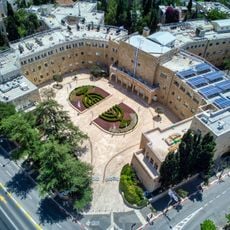
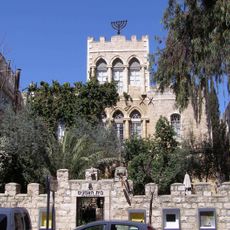
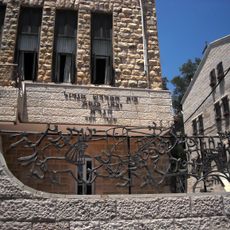
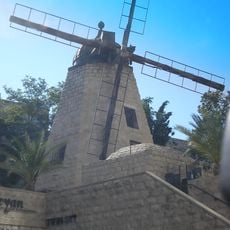
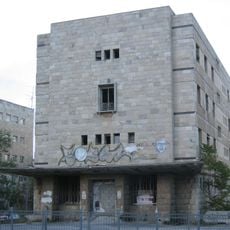
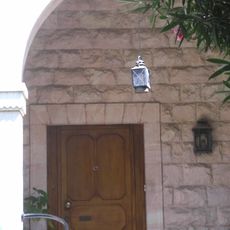
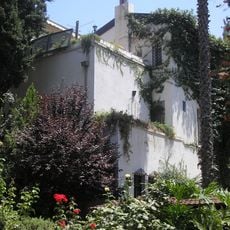
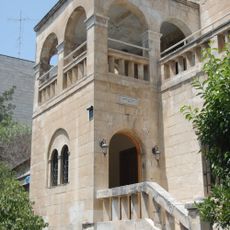
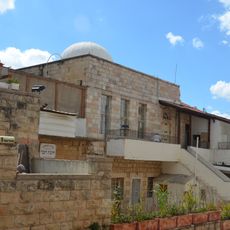
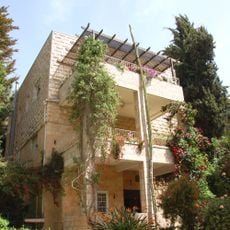
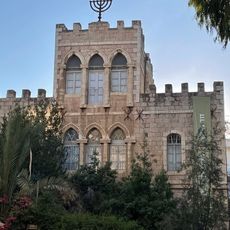
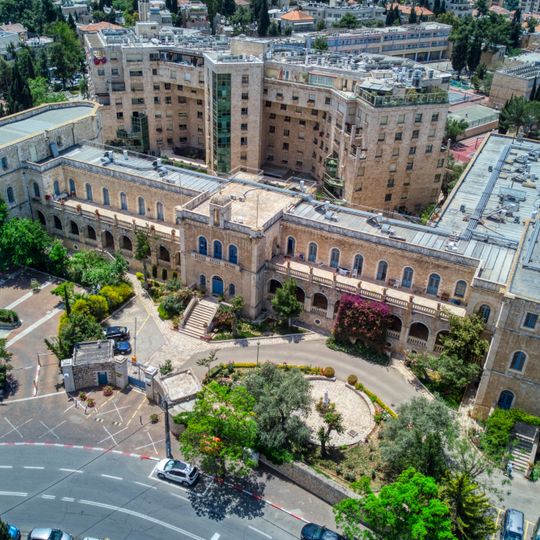
Ratisbonne Monastery is a monastery in Rehavia featuring a central tower with multiple workshops, storage rooms, a kitchen, and a dining area in the cellar level. The complex was organized to support both the daily work and communal life of its religious community, with distinct spaces for different monastic functions.
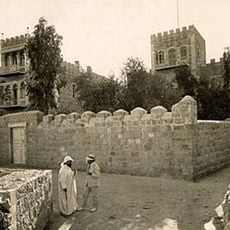
French architect M. Daumat began construction of the monastery in 1874 on an empty hill in central Jerusalem. The building's creation marked a period when European religious communities were establishing their presence in the Holy City.
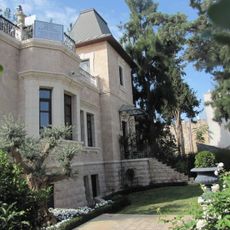
The monastery became a center for Christian study of Judaism and remains a space where people from different faiths come together. The buildings reflect how European architecture was adapted for life in Jerusalem, creating a distinct identity in the city's religious landscape.
The monastery welcomes visitors and offers guided tours to explore its architecture and religious functions. It is helpful to check in advance about visiting times, as religious activities and community schedules may affect when visitors can access the buildings.
The monastery served as the negotiation site between the Holy See and Israel in 1993, leading to their formal diplomatic agreement. This historic role makes it more than a religious building - it is a place where significant geopolitical turning points occurred.
The community of curious travelers
AroundUs brings together thousands of curated places, local tips, and hidden gems, enriched daily by 91,600 contributors worldwide.