Mukutmanipur, human settlement in India
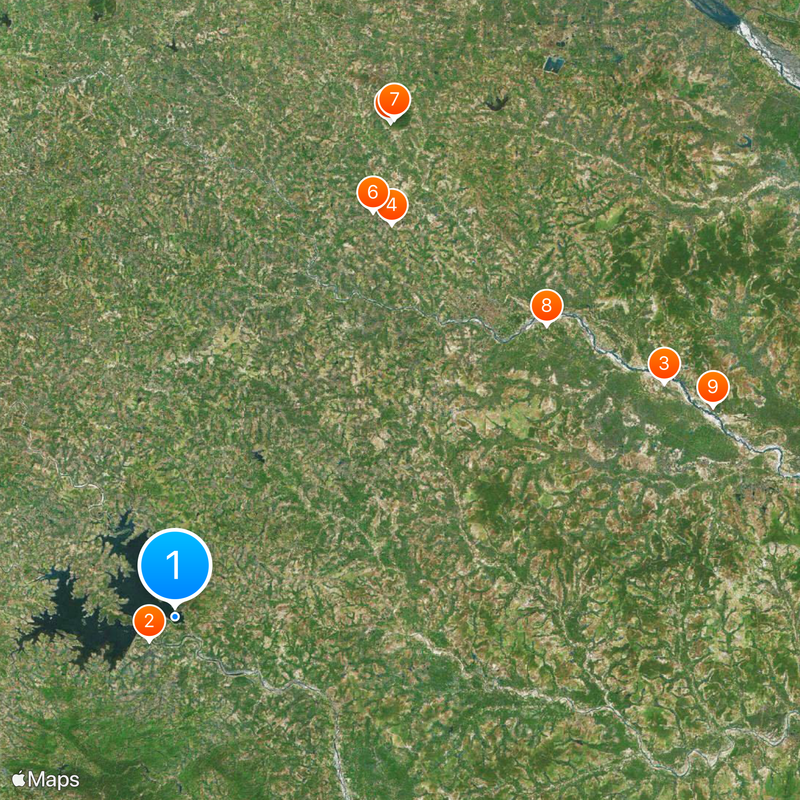
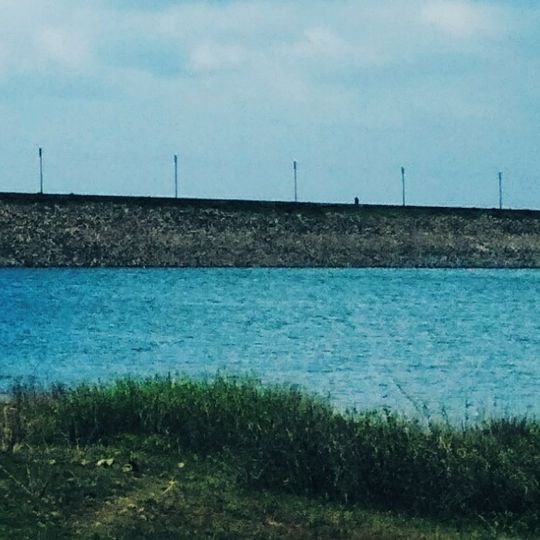
Mukutmanipur is a village in the Khatra block of West Bengal, India, set along the edge of the Kangsabati reservoir and surrounded by paddy fields and patches of forest. The settlement is made up of simple houses connected by unpaved paths, and the wide body of water gives the whole area a very open feel.
The village developed as a farming settlement in a part of West Bengal where rice cultivation has shaped the land for many generations. The construction of the Kangsabati Dam in the 1950s transformed the surrounding area and brought new attention to Mukutmanipur as a destination.
Mukutmanipur is known for the Kangsabati reservoir nearby, which draws visitors from surrounding towns on weekends and during local festivals. Fishing and boating on the water are common activities that bring together people from the village and beyond.
The cooler months between November and February are the most comfortable time to visit, as the heat and monsoon rains can make moving around harder at other times of year. Bringing sturdy footwear is a good idea, since many paths around the village and the reservoir are unpaved.
Mukutmanipur sits at the confluence of two rivers, the Kangsabati and the Kumari, which feed the reservoir and give the area a geography unusual for the plains of West Bengal. This meeting of rivers is what made the location suitable for building the dam, and today it is a spot locals still point out to guests.
The community of curious travelers
AroundUs brings together thousands of curated places, local tips, and hidden gems, enriched daily by 92,670 contributors worldwide.