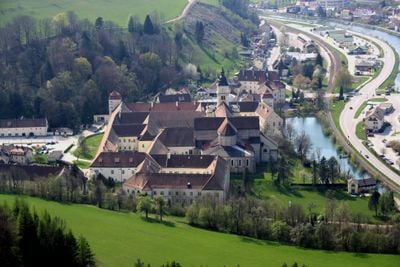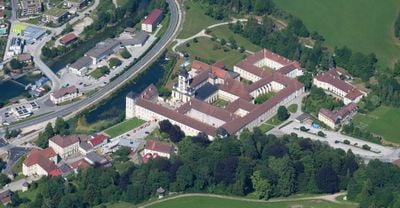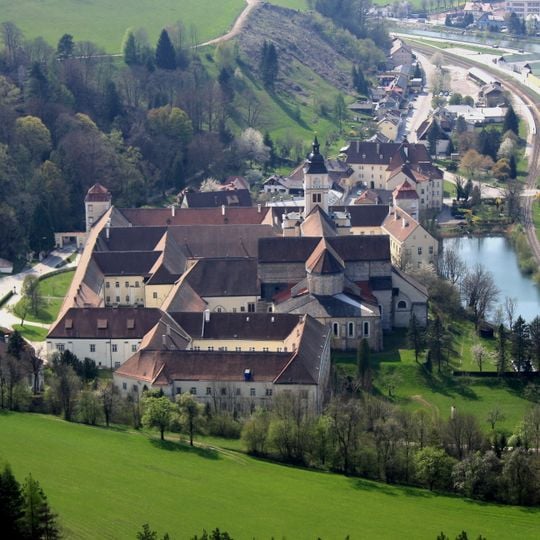
Lilienfeld Abbey, Cistercian monastery in Lilienfeld, Austria
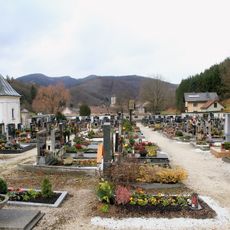
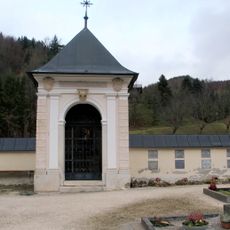
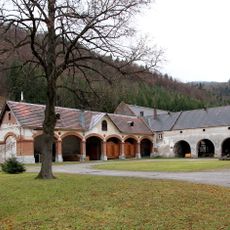
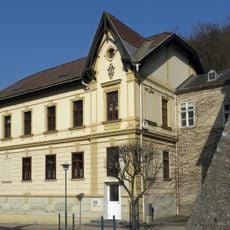
Lilienfeld Abbey is a Cistercian monastery in Lower Austria featuring a large Gothic church, several cloisters, and numerous supporting buildings from different periods. The complex displays a blend of medieval architecture and later additions that reflect the monastery's growth over centuries.
Leopold VI founded the monastery in 1202 as a daughter house of Heiligenkreuz Abbey, establishing a significant Cistercian presence in Austria. A relic of the cross of Christ that arrived later became a pilgrimage destination and enhanced its spiritual standing.
The name refers to the lily root, a healing plant once found locally and used by monks in medicinal preparations. Visitors can see in the spaces today how the connection between monastic life and natural healing shaped the community's daily work.
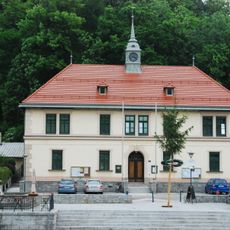
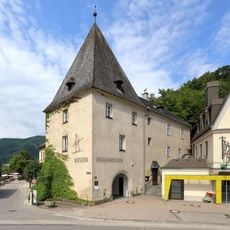
The complex is best explored on foot, as buildings are spread across the grounds and the church interior deserves careful attention. Plan enough time to view all the spaces and the detailed interior decoration at a comfortable pace.
The organ in the monastery church ranks among Austria's oldest and largest functioning instruments, with a long history of restoration and enhancement. Its sound continues to shape services and concerts held within the cloister.
The community of curious travelers
AroundUs brings together thousands of curated places, local tips, and hidden gems, enriched daily by 60,000 contributors worldwide.