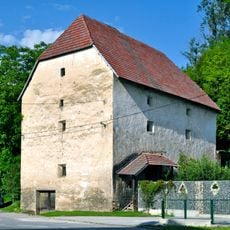
Inner Austria, Historical region in southern Austria.
Inner Austria is a historical region that extended from the Semmering Pass across Styria, Carinthia, and Carniola to the Austrian coastal areas. This territory comprised a connected area governed by its own administration and linked several geographic and cultural spaces together.
This region emerged in 1379 through the Treaty of Neuberg, which divided Austrian lands between two branches of the Habsburg family. Over time, the territory lost its independence as Austrian administration became centralized from Vienna under Empress Maria Theresa in the 18th century.
Graz was the center of power in this region and the city still shows traces of this era in its architecture and buildings today. The rule from Graz shaped the culture and life of people across a large area that extended over several present-day provinces.
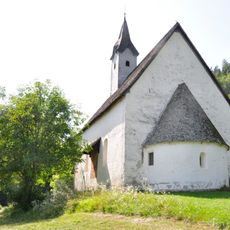
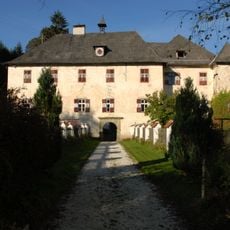
This region is best understood by visiting Graz, where the most important historical buildings and monuments are preserved. The geographic spread across several present-day provinces means that visiting different locations helps you grasp the full picture of this former political unit.
Under Archduke Charles II, this territory became a stronghold of Counter-Reformation activities, with Jesuits driving religious transformations on a large scale. This intense religious movement left deep marks in architecture and religious practice that remain visible in many churches and monasteries today.
The community of curious travelers
AroundUs brings together thousands of curated places, local tips, and hidden gems, enriched daily by 92,016 contributors worldwide.