Acadia, French colony in Atlantic Canada.
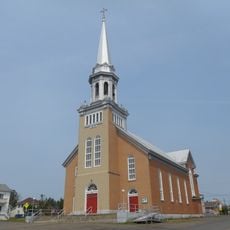
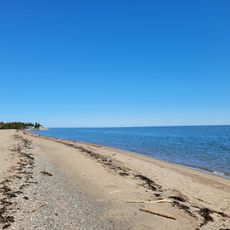
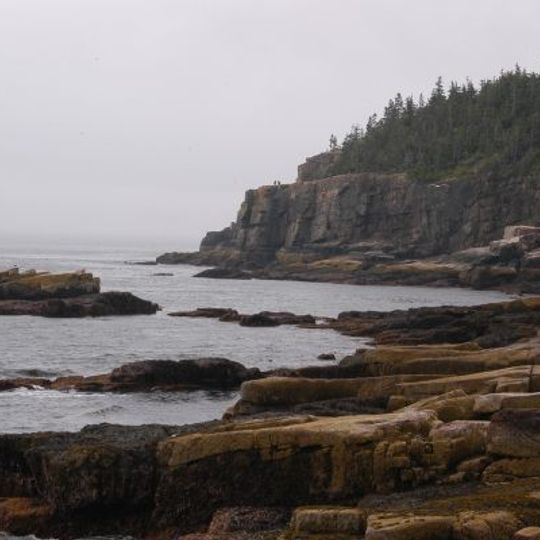
Acadia was a French colony in Atlantic Canada that covered parts of what are now New Brunswick, Nova Scotia, and Prince Edward Island, stretching south to the Kennebec River in present-day Maine. The colony included coastal lands, river estuaries, and marshes that settlers transformed into farmland through a system of earthen embankments.
French settlers founded Port-Royal as the capital in 1605, establishing the first permanent European settlement on the North American Atlantic coast. The colony changed hands between French and British control over several decades until British forces expelled the inhabitants in 1755, scattering them across distant regions.
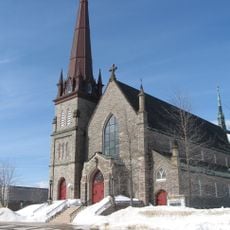
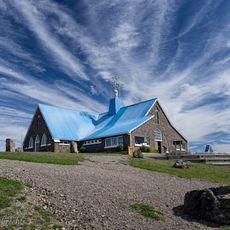
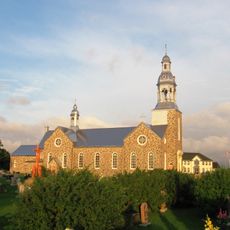
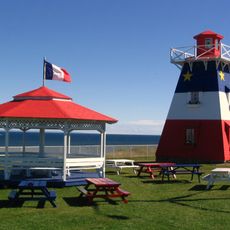
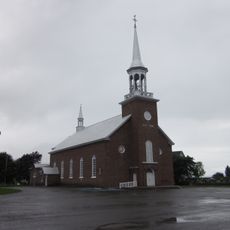
Modern descendants of the original settlers maintain their language, music, and cuisine in communities along the Atlantic coast, passing these traditions to new generations. Visitors experience this living heritage through local festivals, artisan workshops, and meals rooted in recipes from the early 1600s.
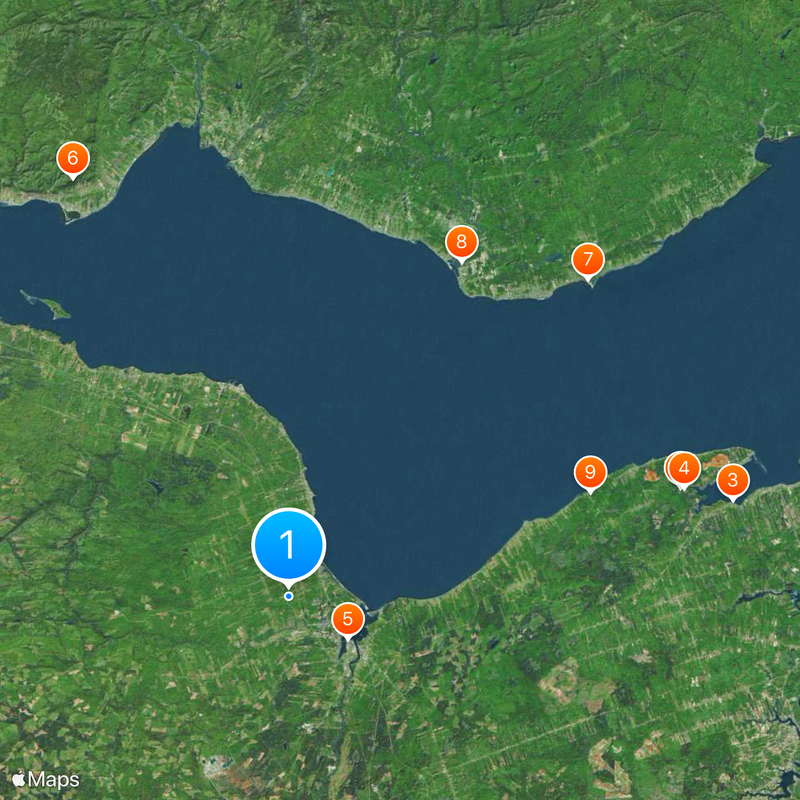
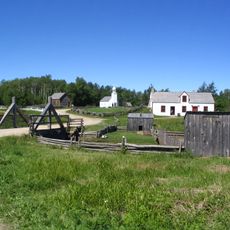
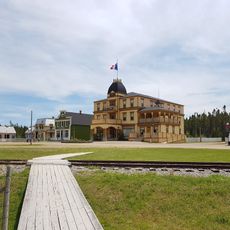
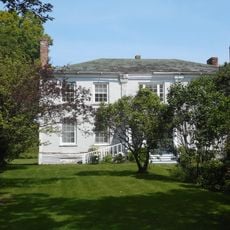
Port-Royal National Historic Site displays reconstructed buildings from the early settlement period and gives visitors a sense of daily routines in the 1600s. Other traces of the colony appear at several heritage sites along the Atlantic coast, accessible by car or regional rail connections.
The expulsion of settlers in 1755 scattered families across multiple continents, with some reaching Louisiana and becoming known there as Cajuns. This dispersal shaped the cultural landscape of several regions and left traces in music, cooking, and language variants that continue today.
The community of curious travelers
AroundUs brings together thousands of curated places, local tips, and hidden gems, enriched daily by 91,687 contributors worldwide.