Fanshawe Pioneer Village, Open-air heritage museum in London, Canada
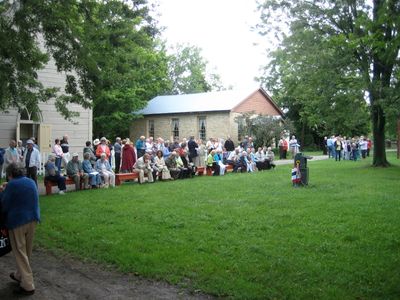
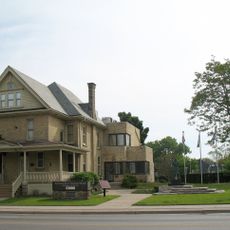
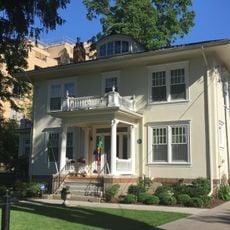
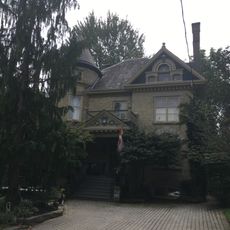
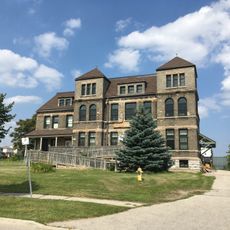
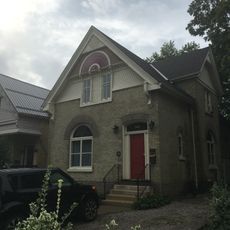
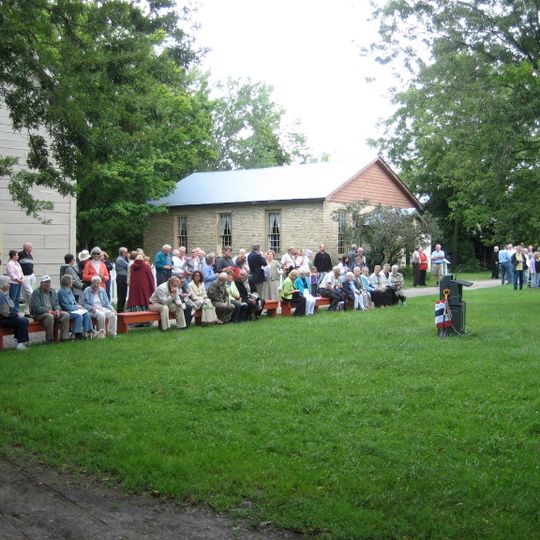
Fanshawe Pioneer Village is an open-air museum preserving rural life between 1820 and 1920 across its extensive grounds with over 30 authentic buildings. Visitors walk through residences, workshops, farming structures, and other buildings that together create a complete picture of country living from that era.
The museum began in 1959 from a collection by Dr. Wilfrid Jury at the University of Western Ontario, later managed by the Upper Thames River Conservation Authority. The buildings date from between the 1820s and 1920s and were relocated to this site to document the region's rural past.
The village reflects how people lived and worked in this rural region during the 1800s, with crafts and daily objects visible throughout the grounds. Visitors encounter living demonstrations of traditional skills like blacksmithing and weaving that were central to community life back then.
The grounds are sprawling and best explored on foot with clearly marked pathways between buildings. Visitors should wear comfortable shoes and plan several hours to see everything thoroughly.
The site holds more than 25000 objects including furniture, clothing, tools, and machinery that document daily life from that period. This collection offers a rare look at the material culture of 1800s rural communities.
The community of curious travelers
AroundUs brings together thousands of curated places, local tips, and hidden gems, enriched daily by 91,761 contributors worldwide.