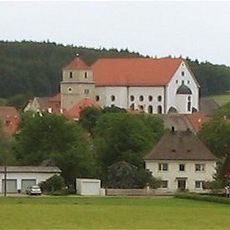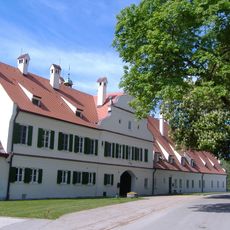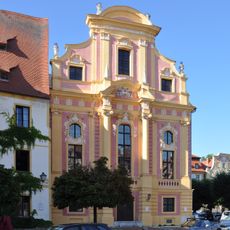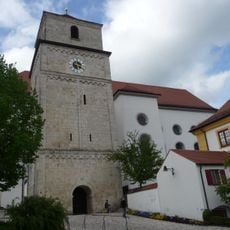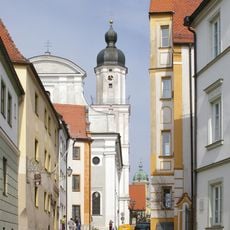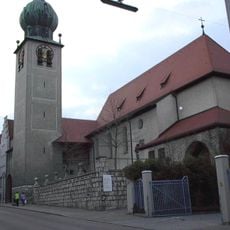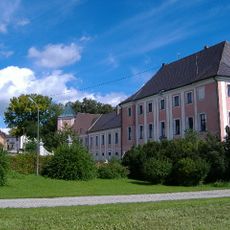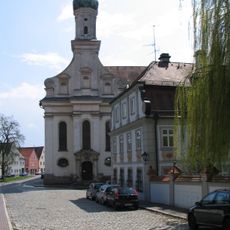
Neuburg an der Donau, Administrative center in Bavaria, Germany
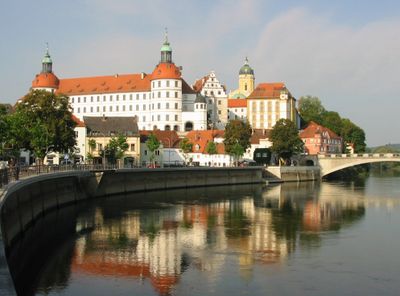
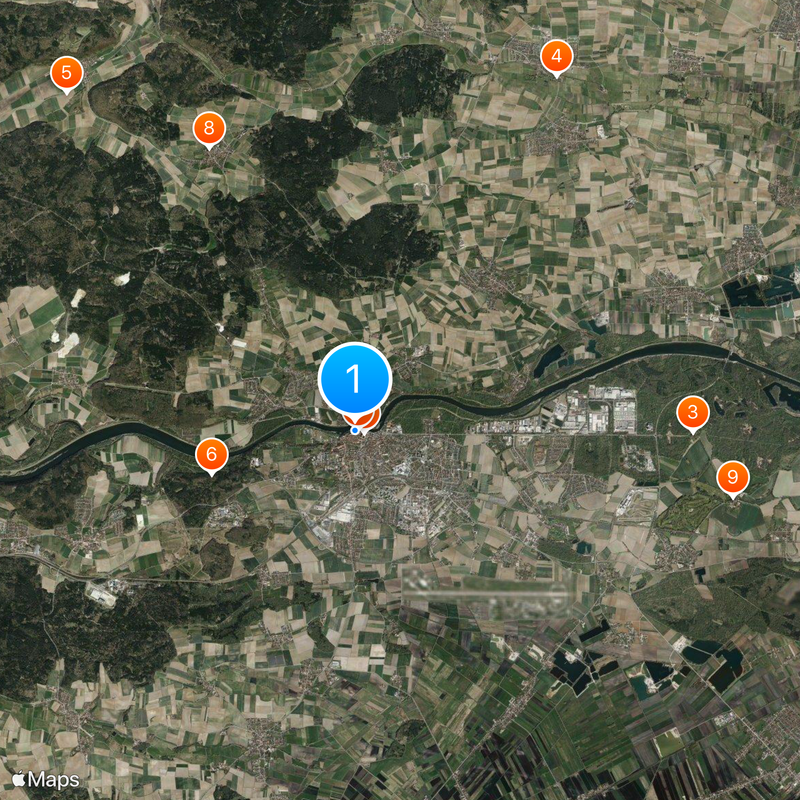
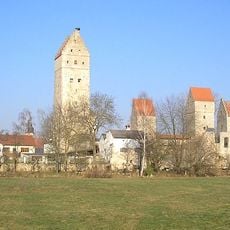
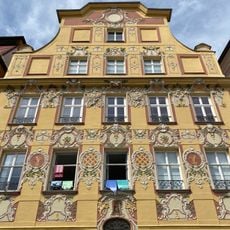
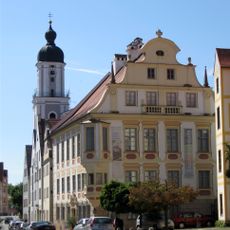
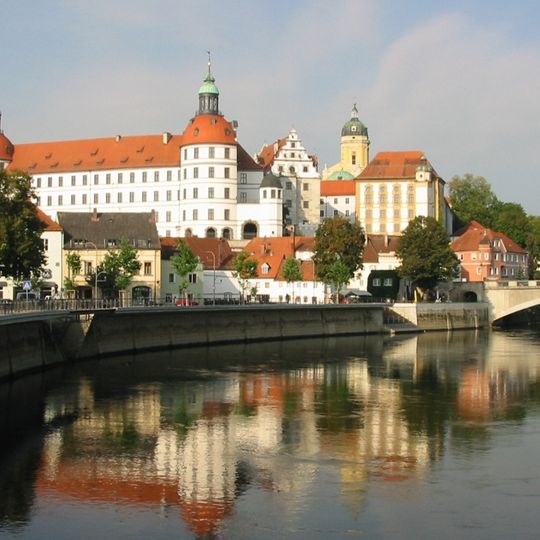
Neuburg an der Donau is a district capital in Bavaria on the northern bank of the river, with an elevated historic core of Renaissance facades and narrow lanes. The stone circuit still encloses the center, while newer residential quarters spread beyond the old boundary.
The settlement grew from a Bronze Age site into a Roman fort and later became capital of a principality under the Wittelsbachs from 1557 to 1742. The place lost its political role after incorporation into Electoral Bavaria but retained its administrative function as a regional center.
The name references its role as a new fortification on the river and locals still refer to the palace area as the upper town, distinct from the settlement below. Market days bring regional farmers into the arcaded streets, where older residents maintain a formal courtesy shaped by the administrative character of the place.
The railway station sits roughly two kilometers from the historic center and offers regional train links to Ingolstadt and Ulm. Visitors can explore the old quarter easily on foot, as most points of interest lie within a short walk inside the walls.
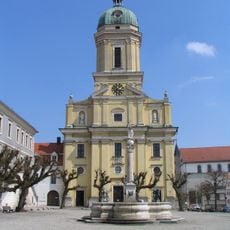
The palace complex houses the first Protestant church built in Germany, evidence of the religious changes under Duke Ottoheinrich in the 16th century. The church arose within the palace walls, showing the close link between princely power and religious reform during the Reformation.
The community of curious travelers
AroundUs brings together thousands of curated places, local tips, and hidden gems, enriched daily by 90,763 contributors worldwide.