Rhineland, Geographic region in western Germany.
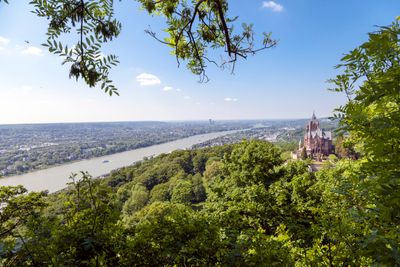
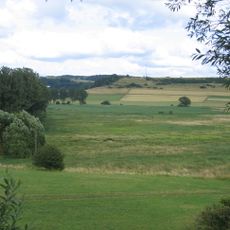
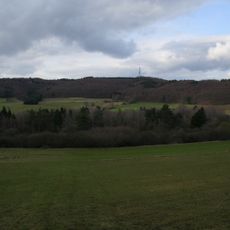
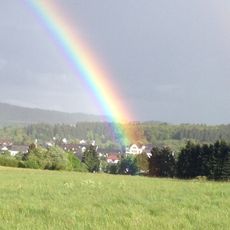
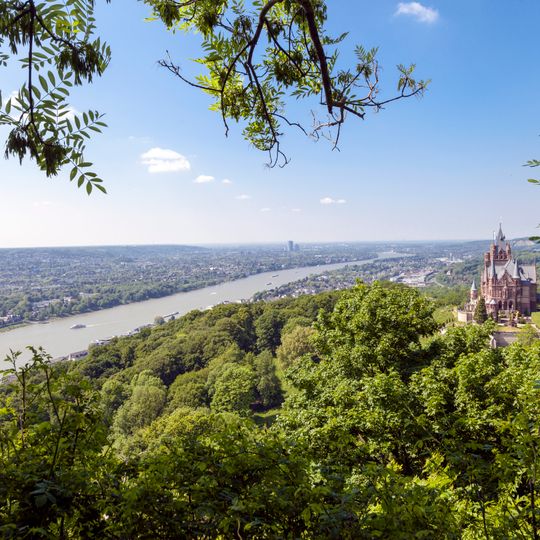
The Rhineland is a region in western Germany stretching along the Rhine between Bonn and Mainz, encompassing fertile valleys, forested hills, and several major cities. The river runs through varied landscapes of vineyards, industrial areas, and medieval castles perched on hillsides above the water.
Roman settlements arose here from the 1st century onward and formed the foundation for later cities like Cologne and Koblenz. After the decline of Rome, Frankish tribes took control of the area, which later became a central part of the Holy Roman Empire.
Local dialects spoken here belong to the Ripuarian and Moselle Franconian language groups and differ noticeably from standard German. Many towns hold annual wine festivals where regional grape varieties are tasted and residents gather in traditional dress.
Cycling paths and walking trails run along the river, passing through vineyards and small villages. Many cities are well connected by regional trains, while boats carry passengers between larger stops along the waterway.
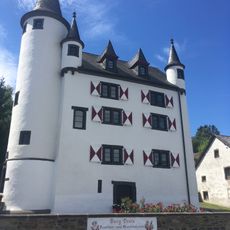
More than 40 castles and fortresses stand along the roughly 40-mile (65-kilometer) stretch of the Upper Middle Rhine Valley between Bingen and Koblenz. This density is exceptional worldwide and attracts visitors who want to hike or cycle from one castle to the next.
The community of curious travelers
AroundUs brings together thousands of curated places, local tips, and hidden gems, enriched daily by 92,424 contributors worldwide.