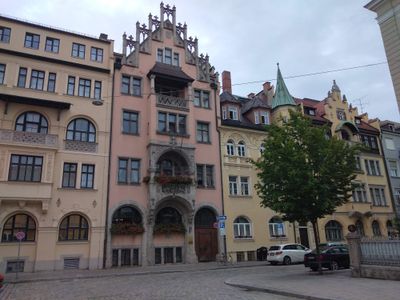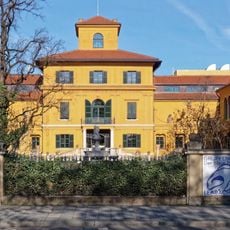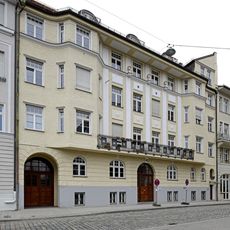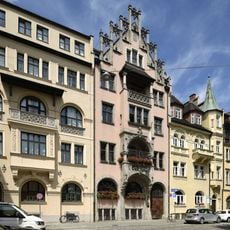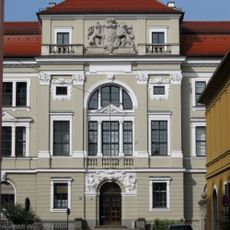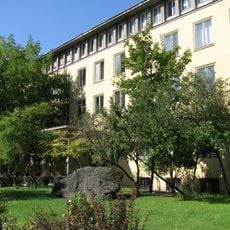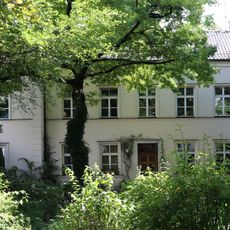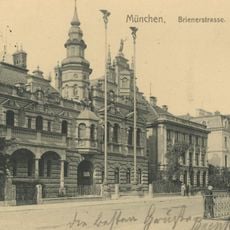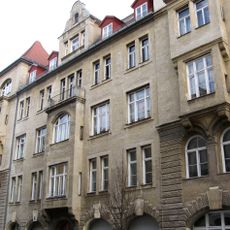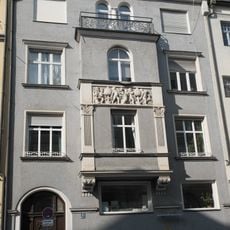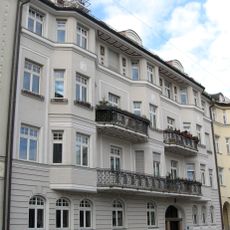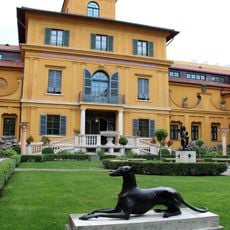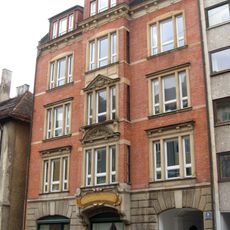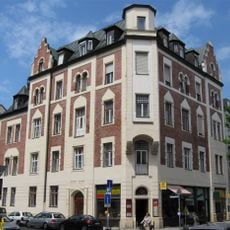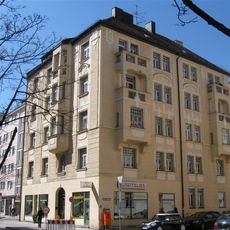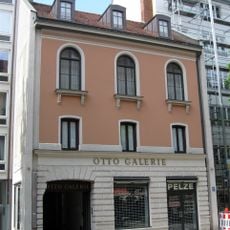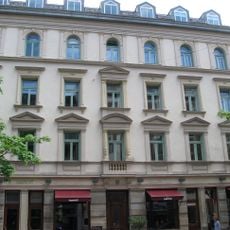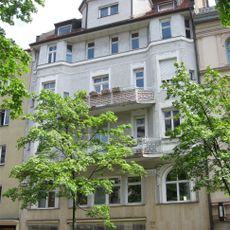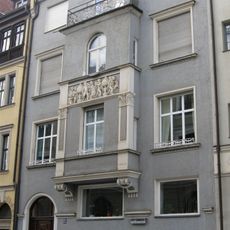
Palaeontological Museum, Munich, Natural history museum in Maxvorstadt, Germany.
The Palaeontological Museum is a natural history museum in Munich that displays fossils, skeletons of extinct animals, and rock specimens from different time periods. The collection includes rare and significant paleontological discoveries from around the world.
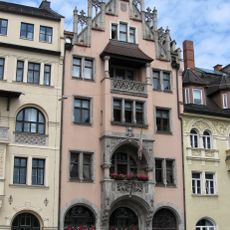
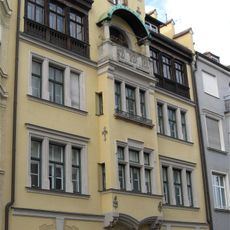
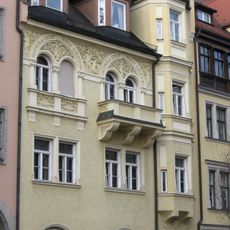
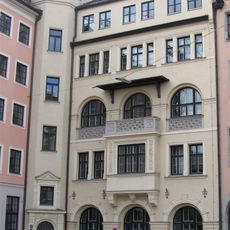
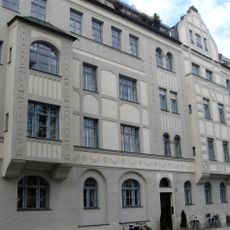
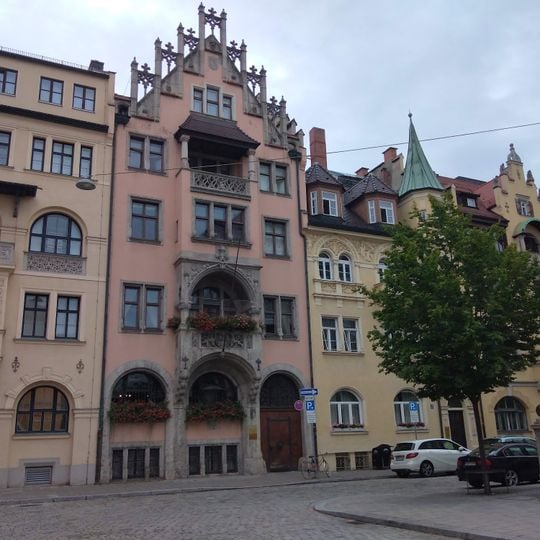
The building was designed by architect Leonhard Romeis between 1899 and 1902 and originally housed an applied arts school. It was later converted into a museum to accommodate the city's scientific collections.
The museum displays fossils and skeletal remains that reveal how life changed over vast periods of time. Visitors can observe connections between different animal species and learn about creatures that roamed Earth millions of years ago.
The museum is housed in a building over one hundred years old in the Maxvorstadt neighborhood and is easily accessible on foot. Plan to spend adequate time exploring the different exhibition areas, especially if you are interested in fossil discoveries.
The museum houses one of only a few known specimens of Archaeopteryx, the fossil that reveals the transition between dinosaurs and birds. This rare piece was found in the Solnhofen limestone formations and holds major scientific value.
The community of curious travelers
AroundUs brings together thousands of curated places, local tips, and hidden gems, enriched daily by 92,883 contributors worldwide.