Probstzella, municipality of Germany
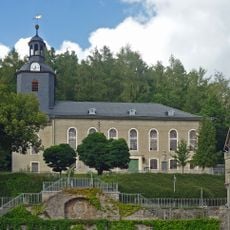
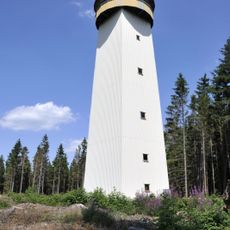
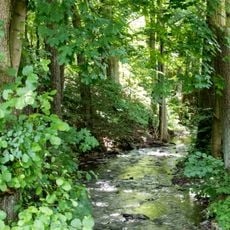
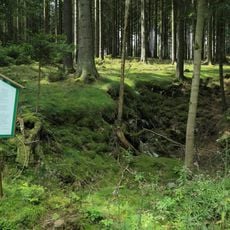
Probstzella is a small municipality nestled in a deep valley of the Thuringian Slate Mountains, surrounded by hills rising over 200 meters (656 feet). The Loquitz River flows through the place and joins the Saale River nearby, while extensive forests define the entire surroundings.
The settlement began in 1012 when a king donated land to the church, and a monastery was later established to advance colonization of the area. In the 19th century, the railway reached Probstzella and made it an important border crossing point between East and West Germany in the decades that followed.
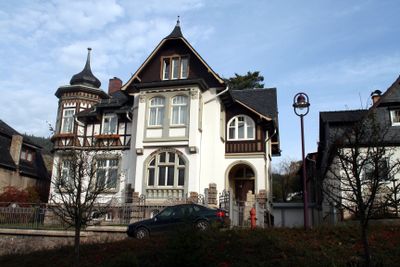
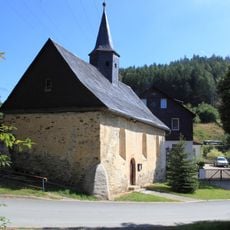
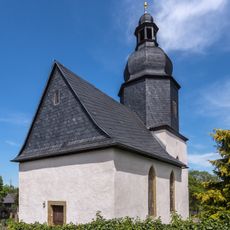
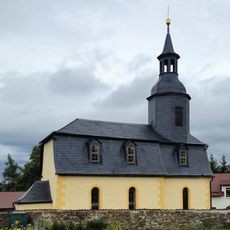
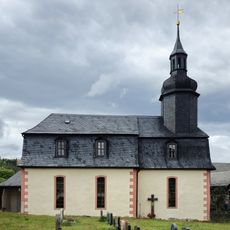
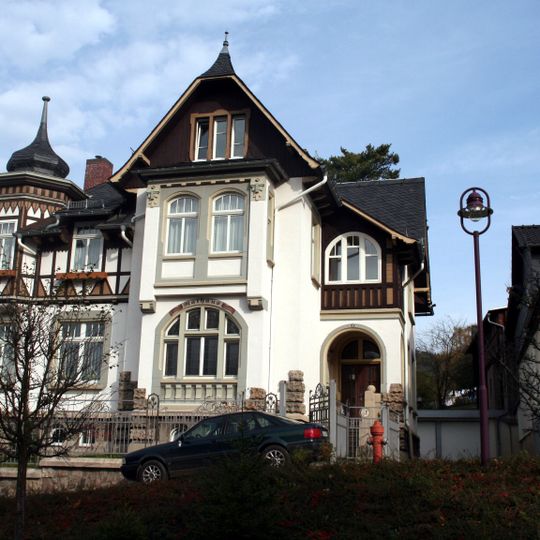
The name Probstzella points to the religious roots of the place: Zelle comes from the Latin word for monk's cell, and Probst refers to a provost or church representative who shaped the area. Visitors can sense this heritage today in the architecture and street layouts, which still reflect the medieval settlement pattern.
The place is easily accessible by train, as the historic station remains operational and offers regular connections to larger cities. Visitors should bring sturdy footwear, as the area offers many walking trails and hilly paths to explore.
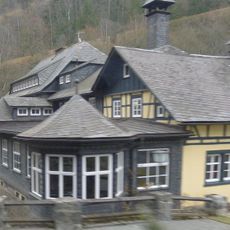
During the division of Germany, Probstzella was a guarded border crossing where trains between West and East Germany were checked. Today, the preserved station buildings and memorials remind visitors of this period of division and make the place a living testament to this historical era.
The community of curious travelers
AroundUs brings together thousands of curated places, local tips, and hidden gems, enriched daily by 92,337 contributors worldwide.