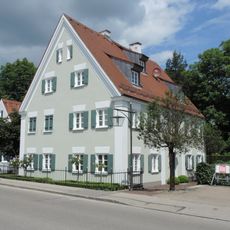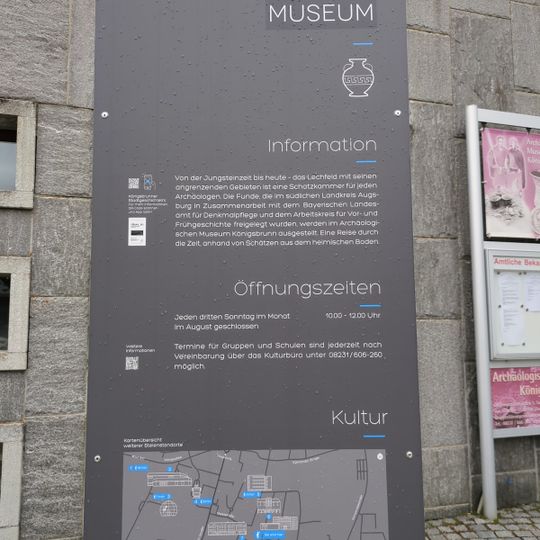
Archeological Museum of Königsbrunn, Archaeological museum in Königsbrunn, Germany
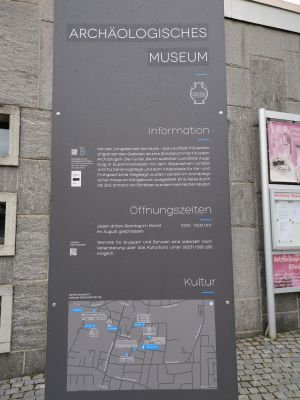
The Archeological Museum of Königsbrunn displays collections of ancient tools, pottery, and artifacts from regional excavation sites. The exhibition features objects from settlements spanning over 6000 years of local history.
The museum opened in 1993 in the basement of Königsbrunn's town hall and is run by volunteers of the Arbeitskreis für Vor- und Frühgeschichte. Its collection traces regional prehistory and early history from the Stone Age through the Bronze, Iron and Roman periods to the Middle Ages, drawing on finds from Königsbrunn and the southern Augsburg district. A preserved Bell Beaker burial from about 2300 BC and a model of a late Hallstatt settlement of around 50 wooden houses are among the exhibits.
The exhibition halls display skeletons and grave goods from the Bell Beaker culture, showing how people between 2500 and 2100 BC honored their dead. These finds reveal what objects were placed alongside the deceased for their journey into the afterlife.
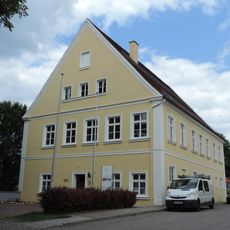
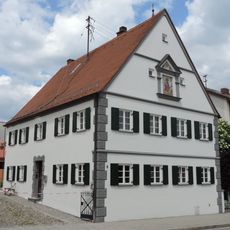
The museum is located at Marktplatz 7 and welcomes visitors only at specific times throughout the year. Check opening hours in advance to plan your visit properly.
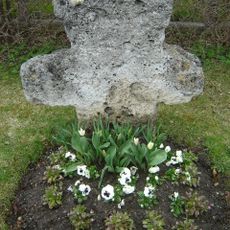
The early Bronze Age stone cist found in 1917 while ploughing at Berggewanne, about 150 metres south of the Neuhaus-Bobingen road, is not in the museum: it stands outdoors on the municipal cemetery grounds and can be viewed there. Inside, a 4 × 1.6 metre model reconstructs a late Hallstatt settlement of around 50 timber buildings, traced through post holes on a slope above the Lech.
The community of curious travelers
AroundUs brings together thousands of curated places, local tips, and hidden gems, enriched daily by 93,174 contributors worldwide.