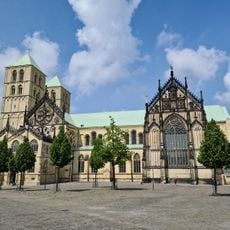
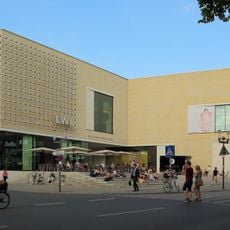
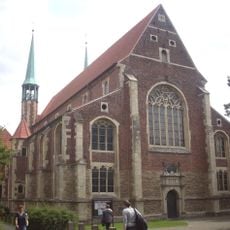
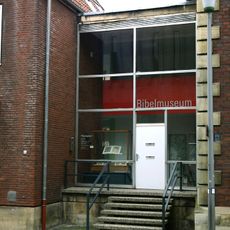
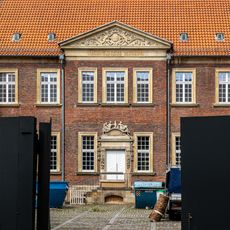
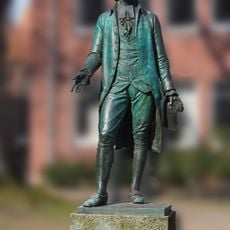
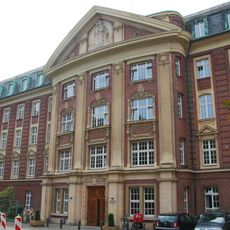
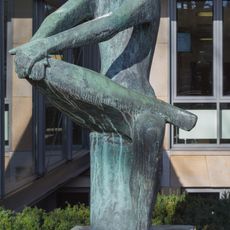
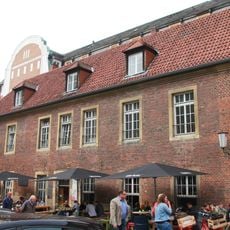
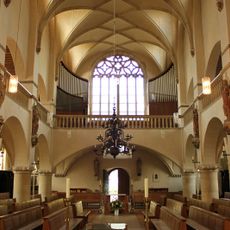
Archaeological Museum of the University of Münster, Archaeological museum in Münster, Germany.
The Archaeological Museum of the University of Munster holds over 10,000 artifacts from the geometric era to the Roman imperial period. The collection includes pottery, sculptures, and objects that reveal different cultures and trade connections across the Mediterranean.
The museum's origins date to 1883, when Münster appointed its first professor of classical archaeology and assembled a teaching collection. In 1906 the Westfälischer Kunstverein donated further casts, and duplicates from the Royal Museum in Berlin added original works. Allied bombing destroyed the entire collection in 1944; rebuilding began in 1958, again from casts.
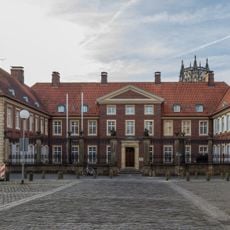
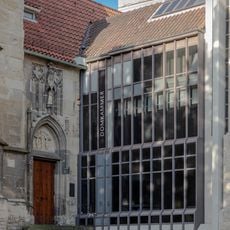
The museum's name refers to the Fürstenberghaus on Domplatz, where the university's Institute of Classical Archaeology and Early Christian Archaeology uses the collection for teaching. The director is always the professor of Classical Archaeology, and Heinz-Helge Nieswandt served as the first full-time curator from 2002, followed by Torben Schreiber in November 2024.
The museum is open from Tuesday to Sunday between 10:00 and 18:00 with no entrance fee required. Wheelchair access is limited in some areas, so it helps to check ahead which sections are fully accessible before your visit.
The collection focuses on Greek antiquities from six distinct periods spanning over 1,000 years of history. This long time span shows changes in craftsmanship, religion, and society in a way that few European museums can match.
The community of curious travelers
AroundUs brings together thousands of curated places, local tips, and hidden gems, enriched daily by 93,893 contributors worldwide.