Geologisch-Paläontologisches Museum Münster, Geological and paleontological museum in Münster, Germany.
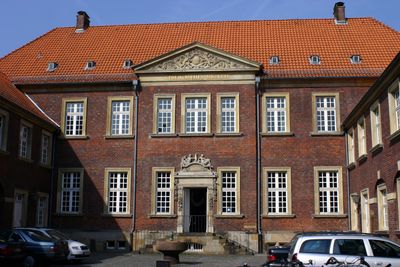
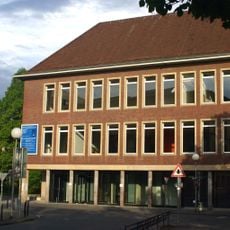
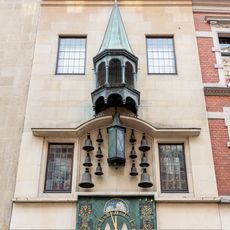
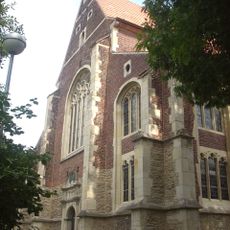
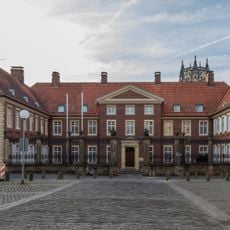
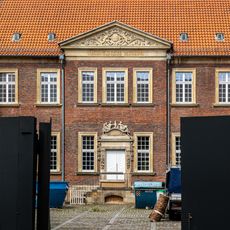
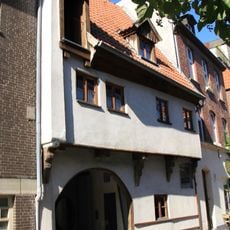
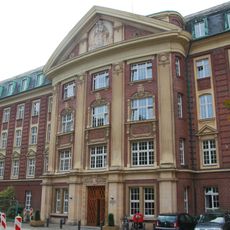
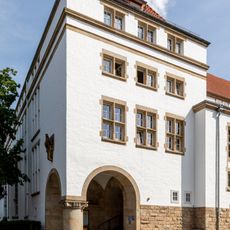
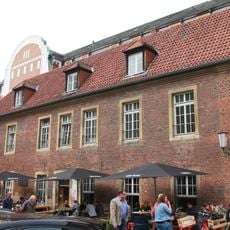
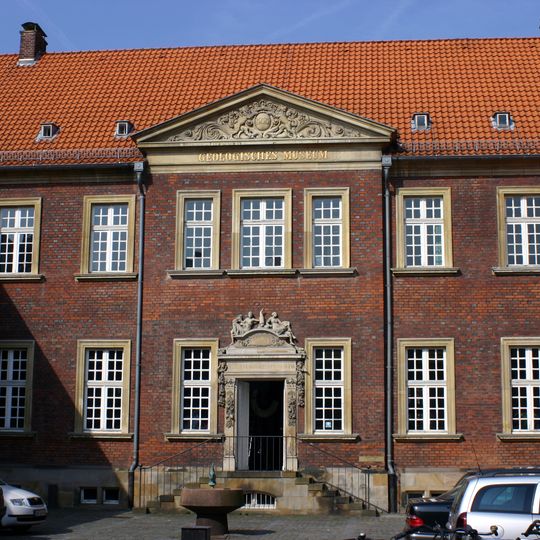
The Geologisch-Paläontologisches Museum Münster occupies an early 18th-century palace, the Landsberg'sche Kurie, in the city center. The collection displays fossils, minerals, and rocks that document Earth's geological history and the specific development of the Westphalia region.
The institution was founded in 1824 and was originally designed as a repository for minerals and zoological specimens. It relocated in 1880 to the current palace building, where it has remained since.
The building once housed nobility and showcases how Earth and its inhabitants developed over immense spans of time. It conveys a sense that nature is constantly moving and changing.
The museum is open Tuesday through Sunday, allowing visitors to explore the exhibitions at a comfortable pace. The collections are organized in a manageable way, so you can see everything in a single visit.
The collection houses a 43,000-year-old mammoth skeleton discovered nearby in 1910, which has become the institution's symbol. This fossil is one of the museum's most valued treasures.
The community of curious travelers
AroundUs brings together thousands of curated places, local tips, and hidden gems, enriched daily by 92,349 contributors worldwide.