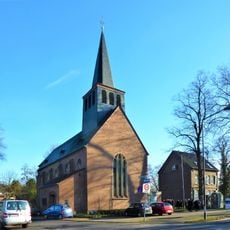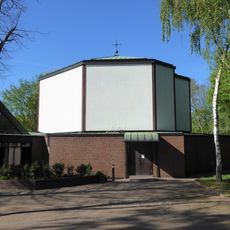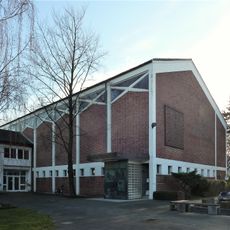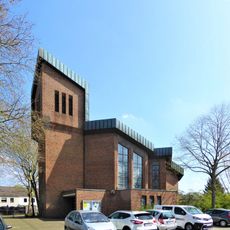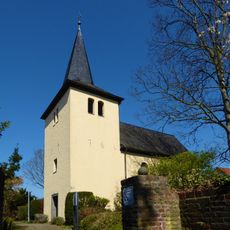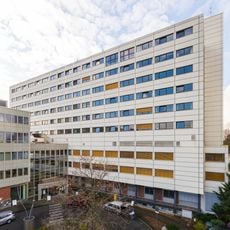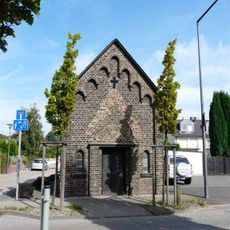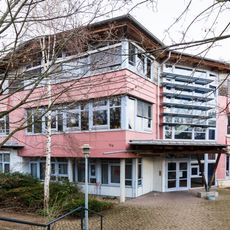
Cologne Lowland, Natural depression in North Rhine-Westphalia, Germany.
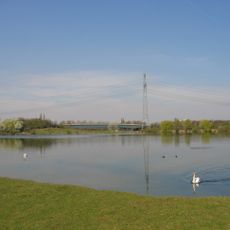
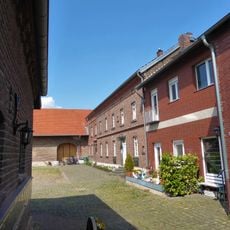
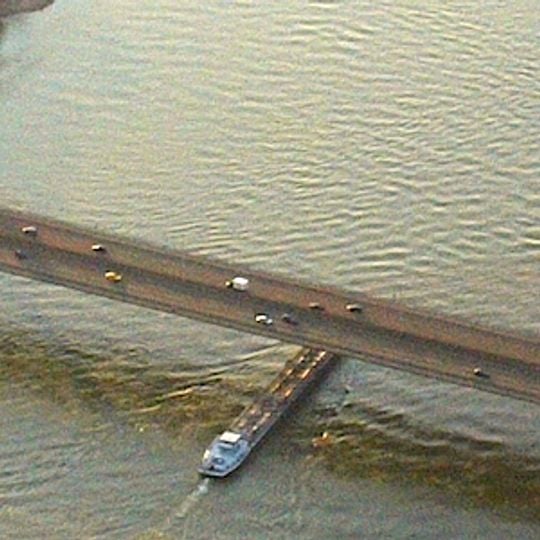
The Cologne Lowland is a flat plain extending between Bonn, Aachen, and Düsseldorf, bordered by surrounding uplands on all sides. The region features extensive agricultural land with orchards and fields, crisscrossed by river courses and defined by its relatively level terrain.
This lowland was formed around 30 million years ago when parts of the Rhine Massif sank, creating a deep basin. Subtropical conditions at that time allowed thick vegetation to grow, which eventually transformed into coal deposits.
The region is marked by its water castles and fortresses scattered across the land, shaping the landscape for centuries. Many of these structures still define the appearance of villages today, showing how important defensive buildings were to people here.
The region has a mild climate with warm summers and moderate winters, allowing outdoor activities year-round. The flat terrain is ideal for hiking or cycling, and small villages with guesthouses are found throughout the area.
The area sits on a seismically active zone and experiences regular small earthquake movements caused by the structure of the earth's crust. Beneath the surface lie substantial lignite deposits formed from ancient peat layers compressed over millions of years.
The community of curious travelers
AroundUs brings together thousands of curated places, local tips, and hidden gems, enriched daily by 60,000 contributors worldwide.