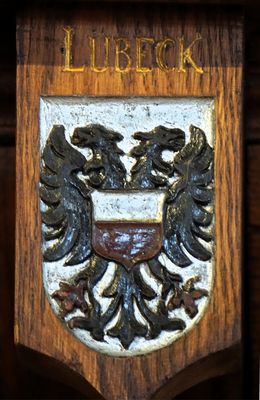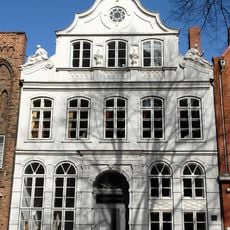
History of the Free and Hanseatic City of Lübeck, Medieval city-state in northern Germany
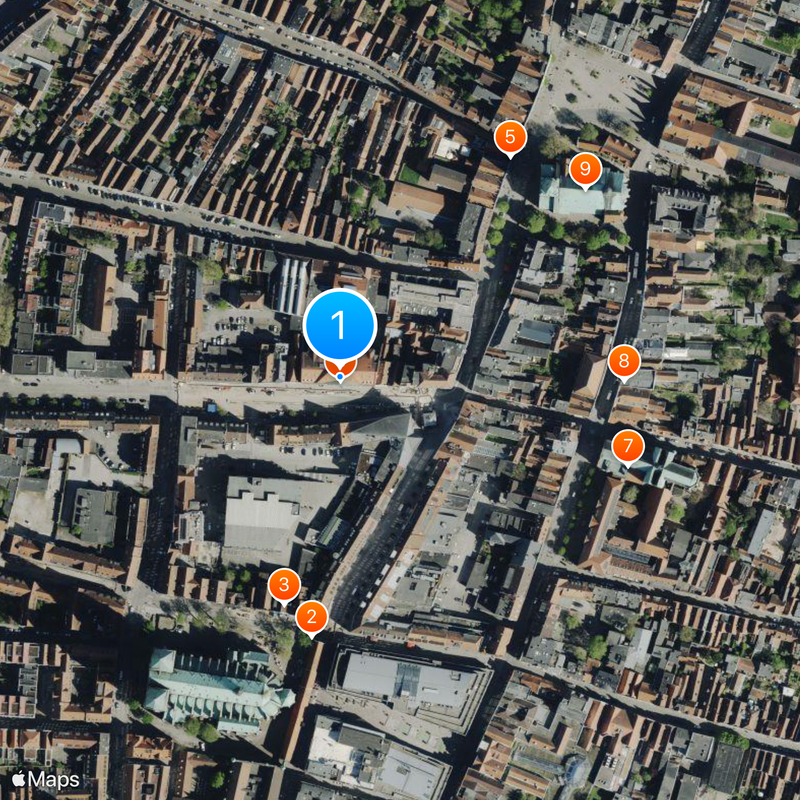
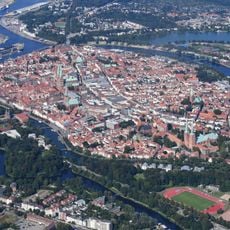
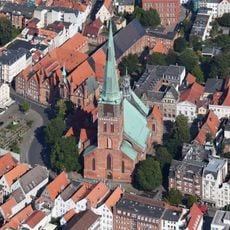
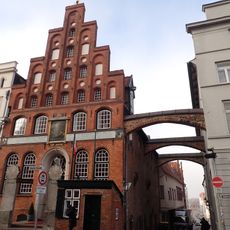
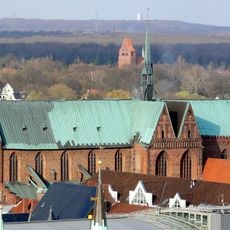
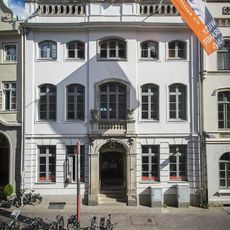
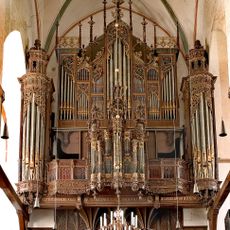
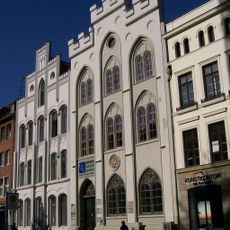
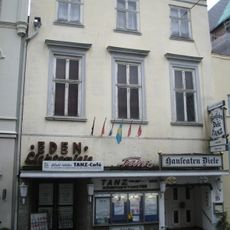
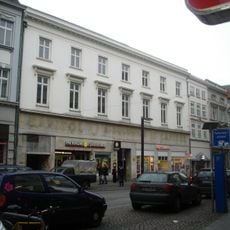
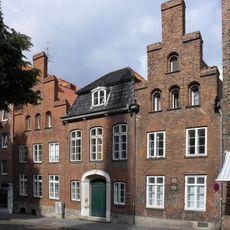
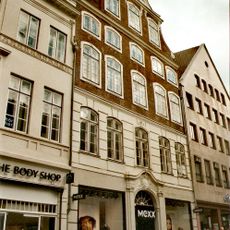
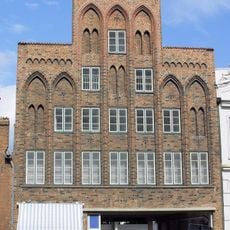
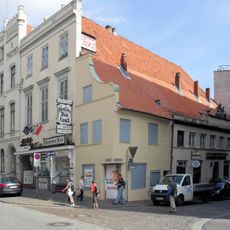
This Hanseatic city on the Trave River comprises medieval brick buildings, Gothic churches, and narrow lanes stretching from the Marienkirche toward the harbor. The Holsten Gate and salt warehouses continue to define the townscape.
Founded in 1226, it rose to become the heart of the Hanseatic League and ruled Baltic and northern trade for nearly 4 centuries. It began losing ground in the 1600s but held its independence as a free city for much longer.
The Hansemuseum displays merchant life and trading connections across northern waters, while street names still reflect the guilds and merchant groups that once dominated the city.
Best explored on foot through the narrow lanes accessible from the Holsten Gate; allow 2 to 3 hours for a good overview. Clear signage and local guides are available throughout.
The city maintained its freedom as an independent city-state longer than most German urban powers, not merging into larger regions until the 1930s. This long independence left marks on local customs and how residents view their home.
The community of curious travelers
AroundUs brings together thousands of curated places, local tips, and hidden gems, enriched daily by 91,978 contributors worldwide.