Burg Kipfenberg, Medieval castle and archaeological site in Kipfenberg, Germany.
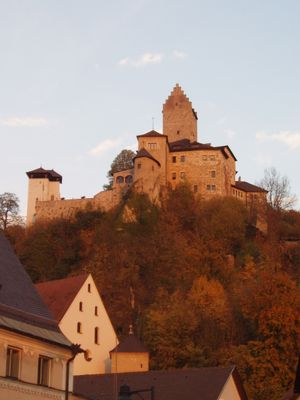
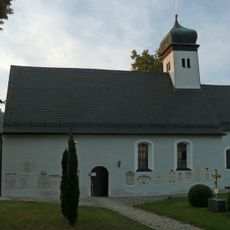
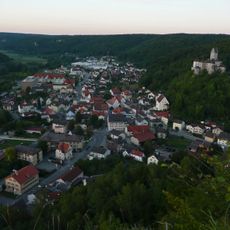
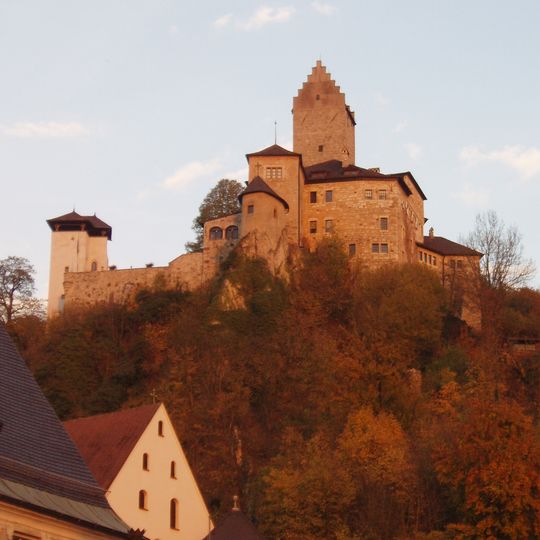
Burg Kipfenberg is a medieval castle set on a dolomite rock above the Altmühl valley in Bavaria. The site includes a Romanesque keep, a Gothic chapel, a tower known as the witch tower, and a set of defensive walls that together form the main structure.
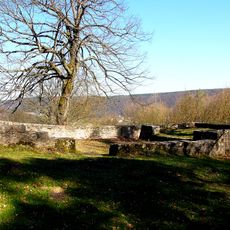
The castle was first built in the 12th century and was owned by the knights Kropf from 1277. On 11 September 1301 Konrad Struma sold the castle and town of Kipfenberg to the Bishopric of Eichstätt, which held it until secularisation in 1803. Decline began in the 18th century, and from 1839 much of the complex was demolished.
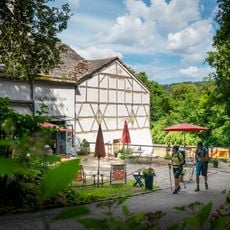
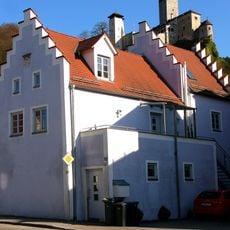
The Roman and Bajuwaren Museum in the outer bailey displays objects from ancient times and the early Middle Ages, giving visitors a direct look at daily life in this part of the Altmühl valley. The collection covers tools, weapons, and everyday items found in the surrounding area.
The castle itself is private and cannot be visited; only the outer bailey with the Roman and Bajuwaren Museum is open. Access is on foot, and the path up to the 430-metre rock is steep. The museum is the only part of the complex open to the public.
The keep, about 30 metres high on a 7 by 7 metre base, could originally be entered only through a high entrance 10 metres above the ground. The castle was rebuilt from 1914 to 1925 by architect Bodo Ebhardt for Anna Taeschner, whose family made the cough sweet Pertussin.
The community of curious travelers
AroundUs brings together thousands of curated places, local tips, and hidden gems, enriched daily by 93,692 contributors worldwide.