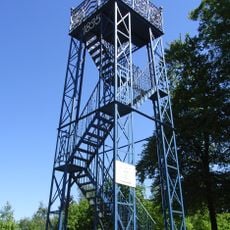
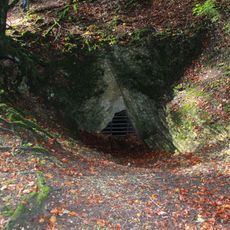
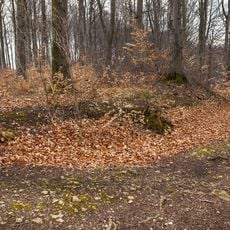
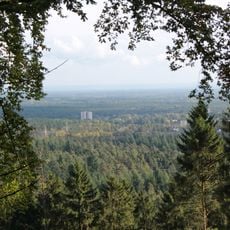
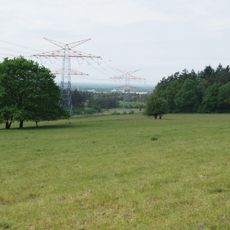
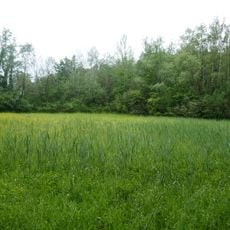
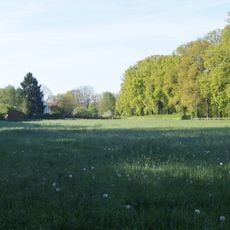
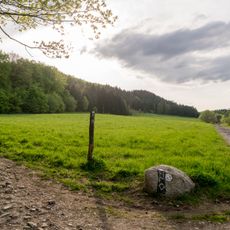
Horst Wessel monument in Bielefeld, Germany, Archaeological site in Teutoburger Wald, Bielefeld, Germany.
The Horst Wessel monument was a memorial site in the Teutoburger Wald region near Bielefeld, consisting of a large sandstone block positioned at a Germanic assembly area within the forest. The site served as a gathering place for organized events and was part of a local memorial initiative.
The monument was constructed in 1933 by local innkeeper Hugo Möller along the Kammweg trail and featured a large sandstone block supplied by the Bodelschwingh Foundation in Bethel. British forces destroyed the site in April 1946, leaving no visible remains.
The monument served as a gathering point for organized marches until World War II, when public commemorations became less frequent.
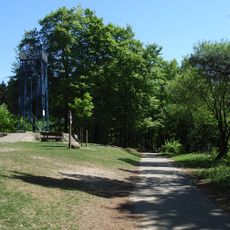
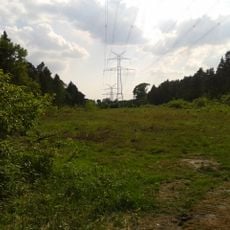
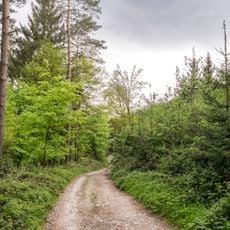
Since the site was completely destroyed in 1946, there are no physical remains or accessible structures visible today. The area lies within the Teutoburger Wald region and can be reached via hiking trails, though without any markers or information about the former monument.
The massive sandstone block came from the Bodelschwingh Foundation in Bethel, a notable social institution at the time, revealing unexpected connections between local organizations. This collaboration demonstrates how different groups in the region contributed to the project.
The community of curious travelers
AroundUs brings together thousands of curated places, local tips, and hidden gems, enriched daily by 91,992 contributors worldwide.