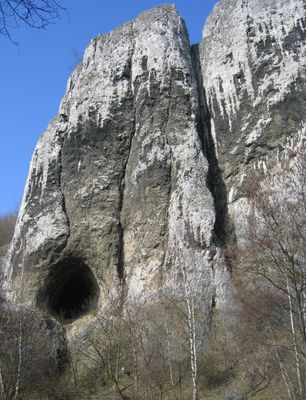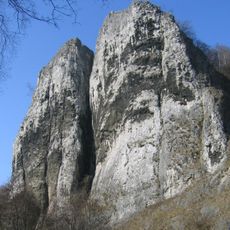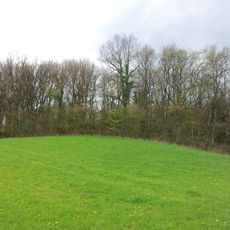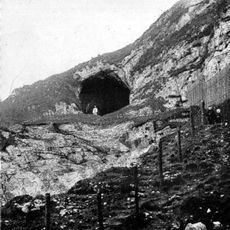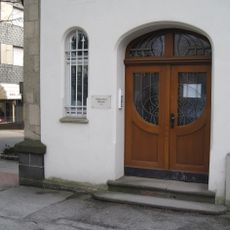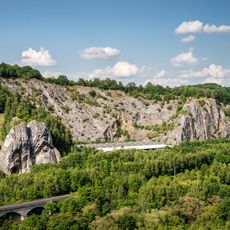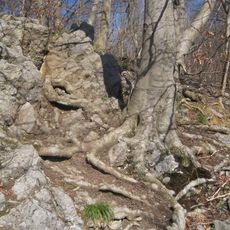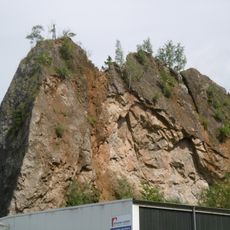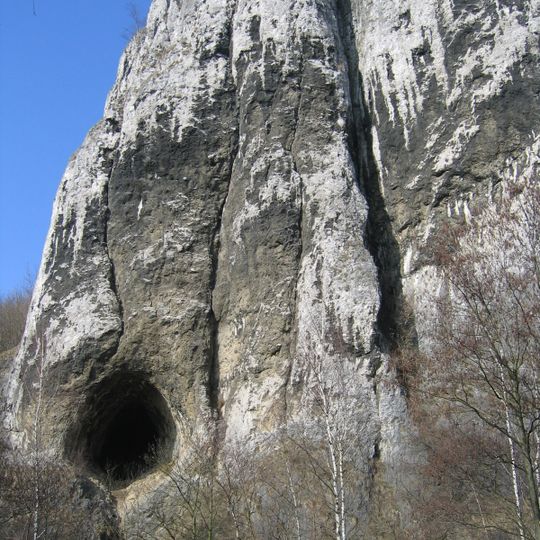
Grürmannshöhle, Cave entrance in Iserlohn, Germany.
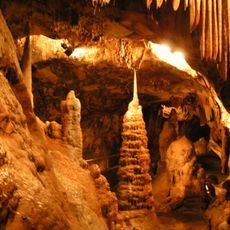
The Grürmannshöhle is a natural cave entrance in Iserlohn that opens into an underground system carved through limestone layers. The passages wind through chambers decorated with stalactites, stalagmites, and flowstone formations created by water movement over millennia.
The cave was discovered in 1867 and opened to visitors not long after, making it one of the earliest show caves in the region. This early opening reflected a growing interest in geological exploration and underground sites during the 1800s.
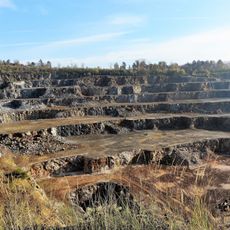
The cave entrance represents a connection point between surface activities and underground geological features that shape local natural heritage.
Good footwear with grip is essential since the ground inside is often damp and can be slippery, especially after rain. A personal flashlight or headlamp is necessary for navigating through the darker passages and seeing the formations clearly.
The cave is home to rare cave-adapted plants and organisms that thrive in total darkness and high humidity. These specialized life forms demonstrate how evolution shapes living things to survive in the most extreme underground conditions.
The community of curious travelers
AroundUs brings together thousands of curated places, local tips, and hidden gems, enriched daily by 92,451 contributors worldwide.