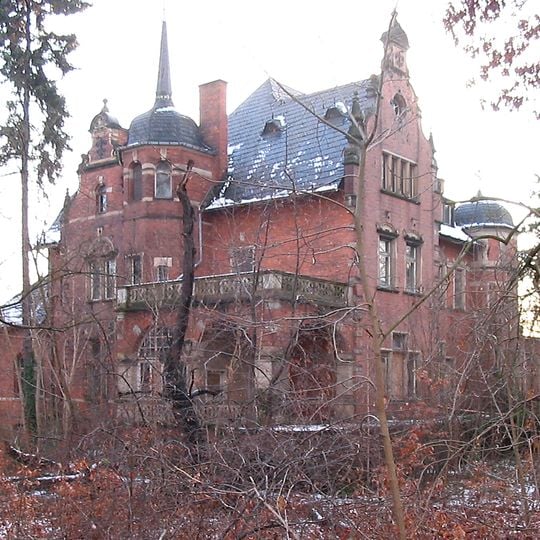
Villa Kolbe, Cultural heritage monument in Radebeul, Germany
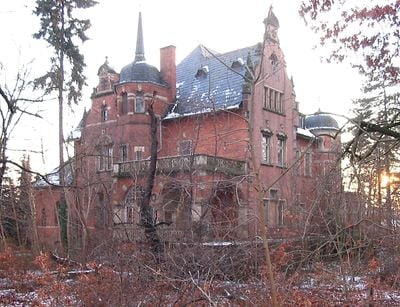
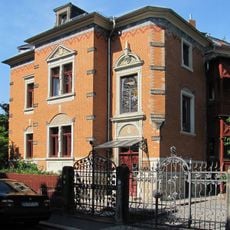
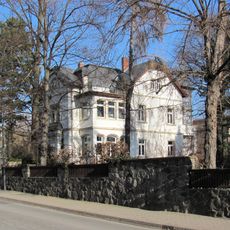
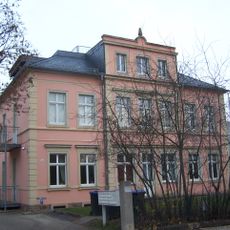
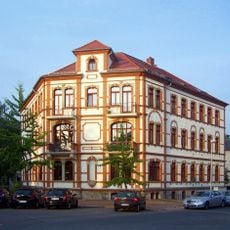
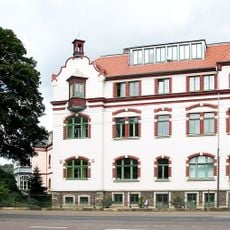
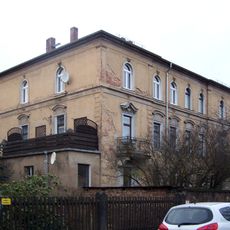
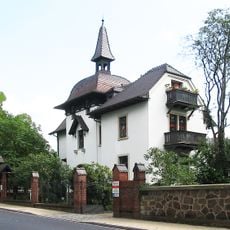
Villa Kolbe is a late 19th-century villa in Radebeul, Germany, built in the Neo-Renaissance style with red brick facades, sandstone details, multiple gables, and a polygonal tower topped with a dome. The overall composition draws on castle-like forms while remaining a private residence.
The villa was built in 1890 for Carl Kolbe, a chemist who directed the nearby Heyden Chemical Factory, at a time when local industry was growing fast. After World War II, the building was used as a medical clinic before being left vacant for several years.
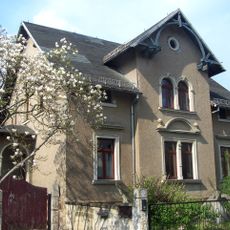
Villa Kolbe features a central hall that rises across two floors, with wood-paneled rooms and decorated ceilings typical of wealthy German homes in the late 19th century. Visitors approaching the building today can still read this social ambition in the façade's layered ornamental details.
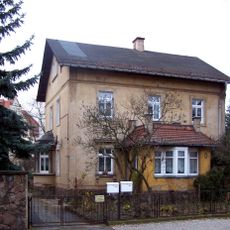
The building is currently between vacancy and planned restoration, so access inside is not possible. The exterior can be seen clearly from the street, which is the easiest way to take in the full architectural composition.
Before 1900, the villa already had hot water heating and electric lighting, making it one of the earliest private homes in Radebeul with these systems. This shows how quickly new technology reached wealthy households long before it became common.
The community of curious travelers
AroundUs brings together thousands of curated places, local tips, and hidden gems, enriched daily by 92,310 contributors worldwide.