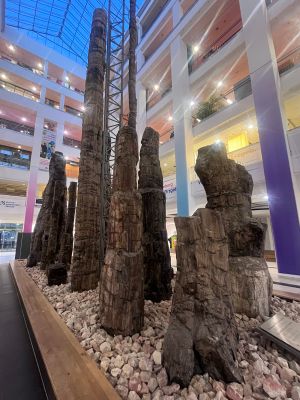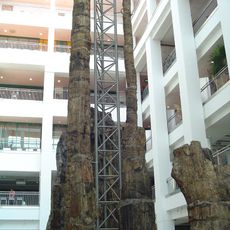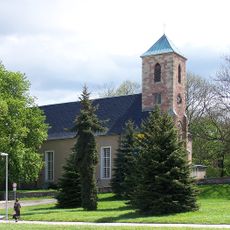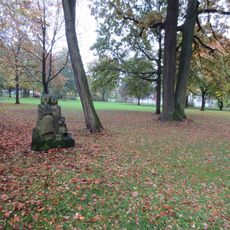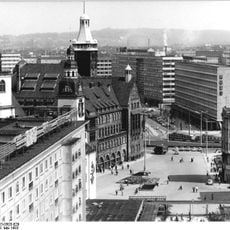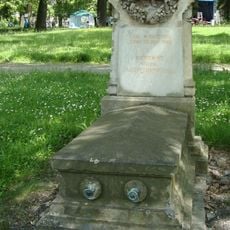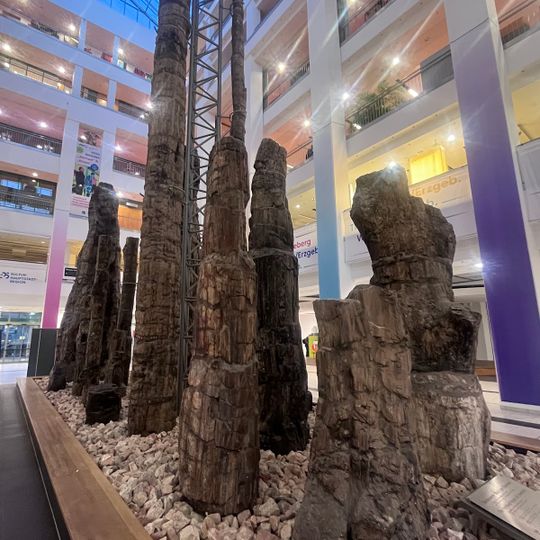
Chemnitz petrified forest, Petrified forest in Chemnitz, Germany.
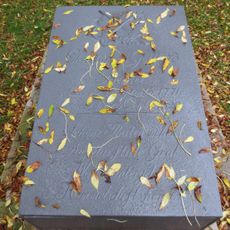
The Chemnitz petrified forest is a collection of fossilized tree trunks, branches, roots, and ancient organisms from the Early Permian period, preserved through mineralization. The specimens are mainly displayed at the Museum of Natural History and reveal the variety of plant life from that ancient time.
The first written record of these petrified trees dates to 1546 by Georgius Agricola, with gemstone prospectors finding more specimens during the 18th century. A volcano in the Zeisigwald region buried these forests roughly 291 million years ago with volcanic ash, making preservation possible.
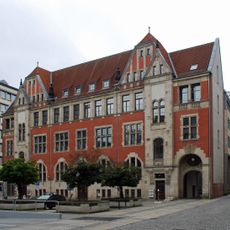
The Museum of Natural History in Chemnitz displays fossilized wood pieces that show how local people have understood this ancient past over centuries. The way polished tree sections are presented reflects the community's scientific interest in what lies beneath their region.
The fossilized specimens can be viewed mainly at the Museum of Natural History in Chemnitz, where they are carefully preserved and displayed. The exhibition provides explanations for individual pieces to help visitors understand what they are seeing.
Excavations between 2008 and 2011 in Hilbersdorf uncovered a special fossil called Arthropitys bistriata that scientists awarded a prize for its significance. This rare specimen reveals the particular types of wood that grew in this region at that time.
The community of curious travelers
AroundUs brings together thousands of curated places, local tips, and hidden gems, enriched daily by 60,000 contributors worldwide.