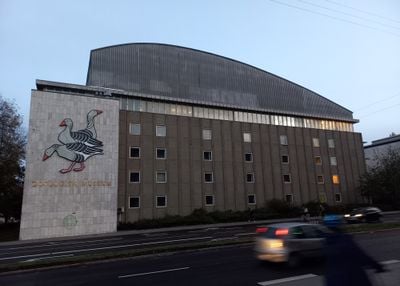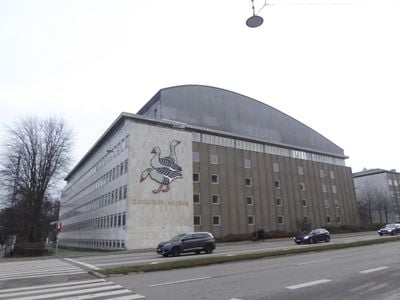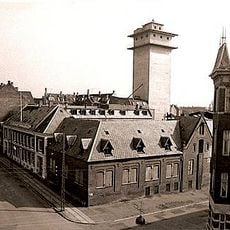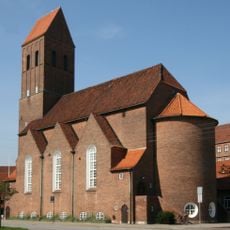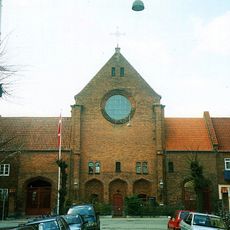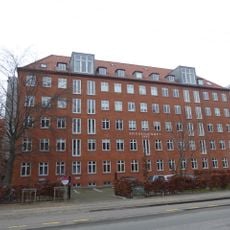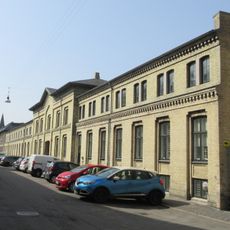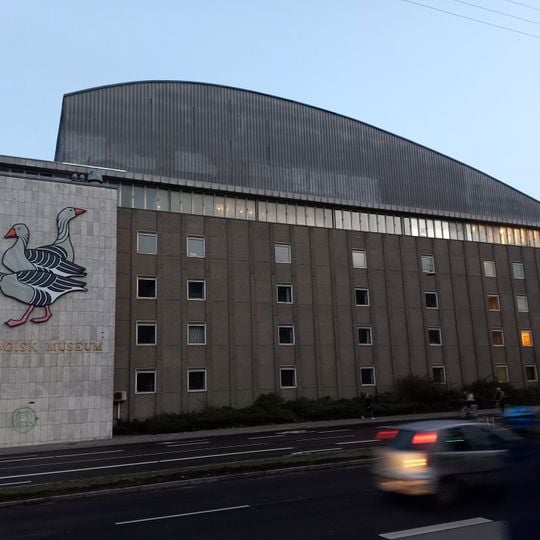
University of Copenhagen Zoological Museum, Zoological museum at Østervoldgade, Copenhagen, Denmark.
The University of Copenhagen Zoological Museum is a natural history museum in central Copenhagen, housing animal specimens, skeletons, insects, plants, and fossils gathered from around the world. The collections span centuries of expeditions and donations, covering a wide range of animal groups.
The collections trace back to Ole Worm's cabinet of curiosities in the 17th century, which later formed the foundation for the institution formally established in 1862. Since then, holdings grew steadily through expeditions and donations.
The museum displays animal specimens from Denmark and its former territories, spanning from Greenland to the West Indies, reflecting the country's historical connections across the globe. Visitors can see how these collections shaped scientific understanding of nature and the diversity of life.
The museum is in central Copenhagen and easy to reach by public transport. Visitors who want to see the full range of collections should plan for several hours.
The museum holds two of the last known skeletons of the great auk, a flightless seabird that disappeared from the North Atlantic in the 19th century. It also keeps the world's largest collection of barnacle specimens that Charles Darwin personally examined.
The community of curious travelers
AroundUs brings together thousands of curated places, local tips, and hidden gems, enriched daily by 91,516 contributors worldwide.