The Funen Village, Open-air museum in Fruens Bøge, Odense, Denmark
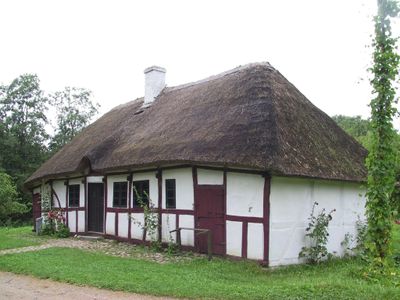
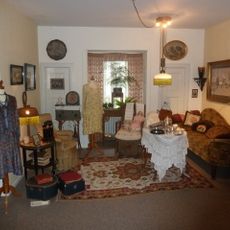
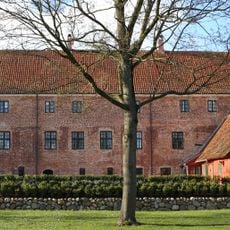
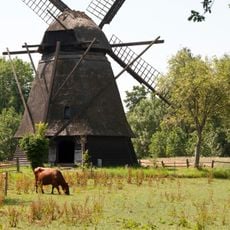
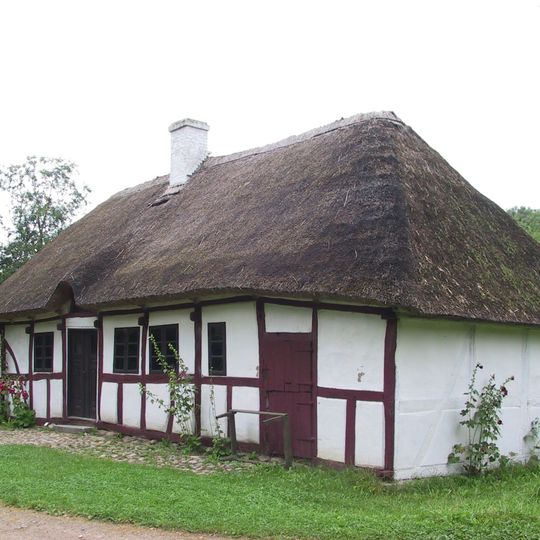
The Funen Village is an open-air museum in Odense that brings together farmhouses, a parsonage, a watermill, and a windmill, all moved from different parts of the island of Funen. The buildings date from the 18th and 19th centuries and are fully furnished to show how rural households looked and functioned at that time.
The museum was founded in 1942 as a public works project during the German occupation of Denmark and officially opened in 1946 with King Christian X attending the ceremony. It was created at a time when many old rural buildings on Funen were being demolished, and the goal was to save at least some of them before they disappeared.
Old Danish breeds such as Frederiksborg horses and Landrace pigs roam the grounds, giving visitors a direct sense of how animals shaped everyday farm life. Watching them graze alongside the old buildings makes the place feel lived-in rather than like a display.
The grounds are open throughout the year, though visiting in the warmer months gives access to more demonstrations of traditional crafts and a fuller experience of outdoor activities. Comfortable shoes are a good idea, as the paths between buildings cross open fields and can be uneven.
The gardens contain old fruit tree varieties once common on Funen, including apple and pear types that are now rarely found anywhere else. Visiting in autumn means seeing these trees laden with fruit, offering a direct connection to what farm families grew and ate generations ago.
The community of curious travelers
AroundUs brings together thousands of curated places, local tips, and hidden gems, enriched daily by 90,801 contributors worldwide.