Essenbæk Abbey, Benedictine monastery in Denmark
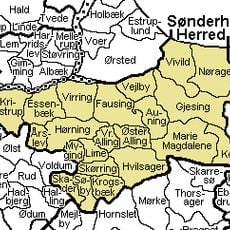
Essenbæk Abbey was a monastery in Denmark founded by a nobleman named Stig Tokesen Hvide and relocated to a new site near a small hill called Holmen. The monks managed extensive lands and farms with watermills, which brought the monastery considerable wealth in the region.
The monastery was founded by Stig Tokesen Hvide and after his death around 1151 was relocated to a better location, where it prospered with support from the wealthy Hvide family. In the 16th century, the Danish king sought to control the monastery's rich lands, leading to its decline and eventual abandonment by century's end.
The monastery was an important pilgrimage site, especially because of Saint Lawrence's Well near Assentoft, which drew visitors on certain days. The monks maintained close ties with local people and regularly received pilgrims who believed in the healing power of the water.
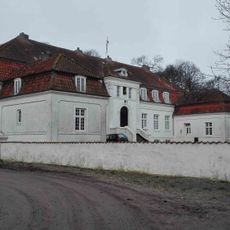
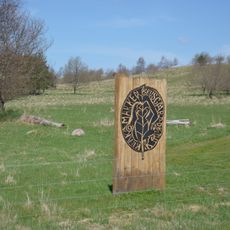
The site sits on flat terrain with sandy soil and nearby bog and meadow areas, making access straightforward. Visitors should know that only underground foundations and archaeological finds from the original buildings remain, which give a sense of the monastery's courtyard layout and surrounding structures.
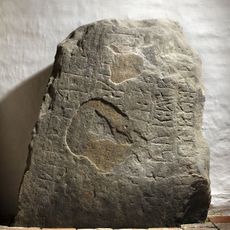
Archaeologists of the 19th and 20th centuries uncovered ancient Egyptian columns at the site, brought to Denmark many centuries ago and later moved to Stenalt park and then to Randers city. These unusual artifacts reveal the monastery's far-reaching trade connections across continents.
The community of curious travelers
AroundUs brings together thousands of curated places, local tips, and hidden gems, enriched daily by 92,166 contributors worldwide.