Paldiski, seaport town in Estonia
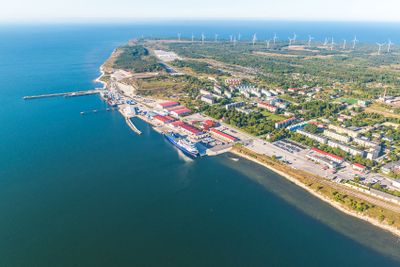
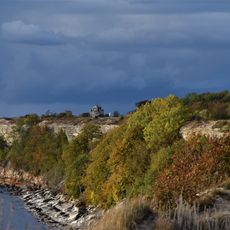
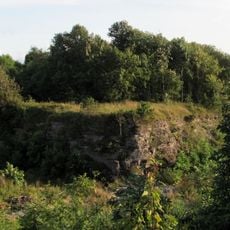
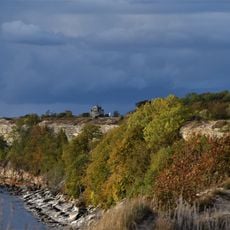
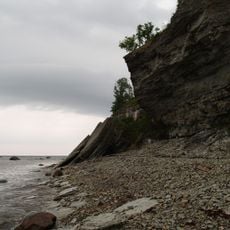
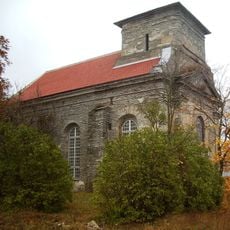
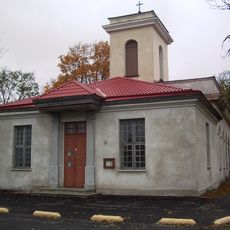
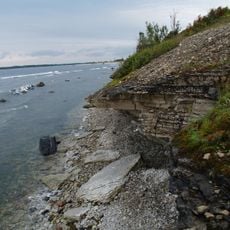
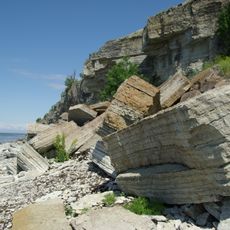
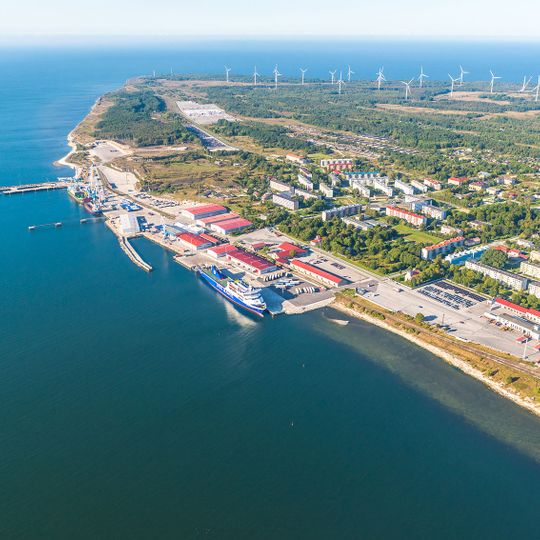
Paldiski is a small port town on Estonia's coast roughly 50 kilometers west of Tallinn, situated on high limestone cliffs. It comprises Soviet-era apartment blocks, abandoned military remains, newer construction, and a year-round functioning port serving Scandinavian shipping routes.
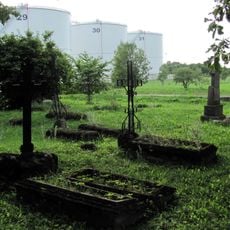
The settlement first appeared in records in 1377 but gained importance when Peter the Great built a fortress in the early 1700s to establish a secure harbor for Russian vessels. After World War II it became the Soviet Union's largest submarine training base until Soviet troops withdrew in 1994, returning the town to civilian operations.
The name Paldiski comes from Estonian and means "heathland head". The port links residents with Scandinavia through daily commerce, while Soviet apartment blocks and contemporary developments shape how people experience the town.
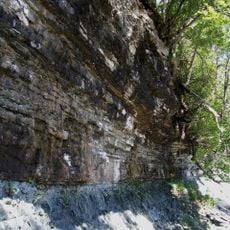
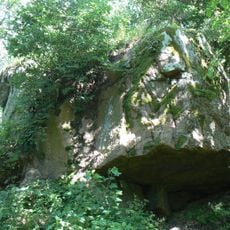
From central Tallinn the town is reachable by car in roughly 40 minutes or by bus and train in around an hour. Most sights can be explored on foot, and walking along the limestone cliffs offers views of the surroundings, though the terrain is uneven in places.
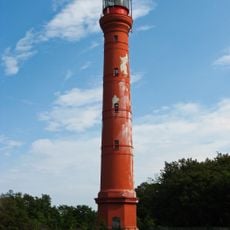
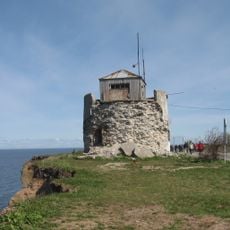
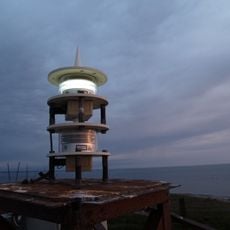
The Paldiski lighthouse stands over 50 meters tall and is Estonia's highest, built in the late 1800s to guide ships through a busy shipping lane. Standing alone at the peninsula's tip, it marks a period when maritime traffic shaped the region's character.
The community of curious travelers
AroundUs brings together thousands of curated places, local tips, and hidden gems, enriched daily by 60,000 contributors worldwide.