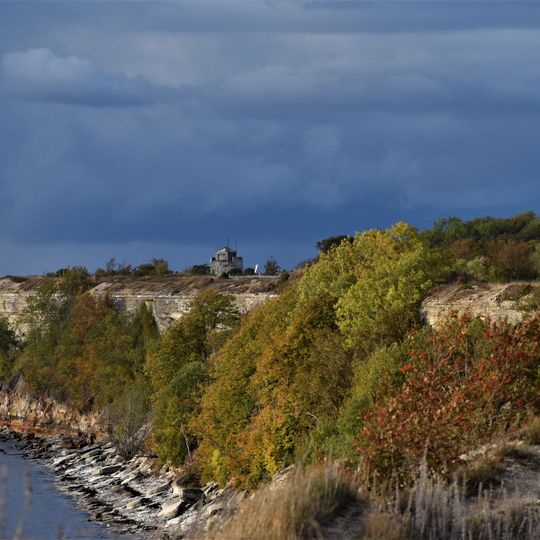
Pakri Cliff, Limestone cliff in Lääne-Harju Rural Municipality, Estonia
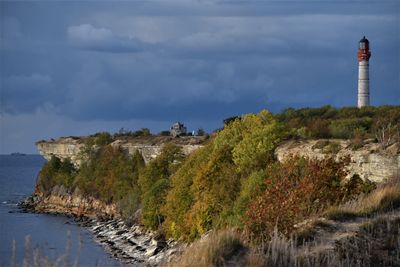
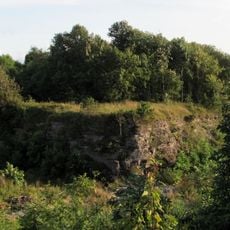
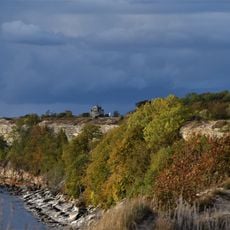
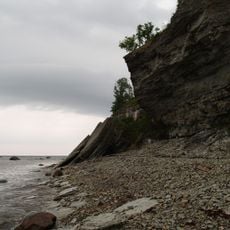
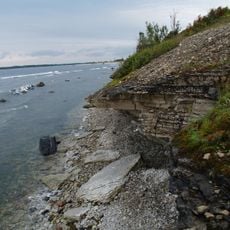
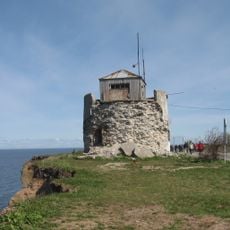
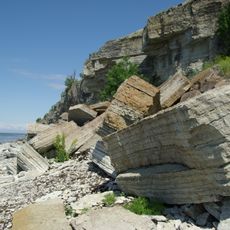
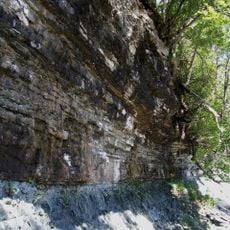
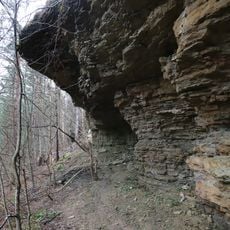
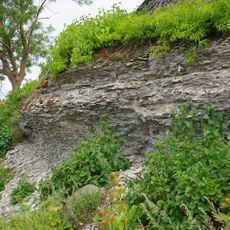
Pakri Cliff is a limestone wall on the northwestern Estonian coast that rises approximately 24 meters above the Baltic Sea and stretches for several kilometers. The cliff structure displays multiple geological layers, with vegetation on the upper edge while the lower sections are continuously reshaped by wave action.
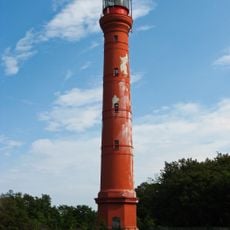
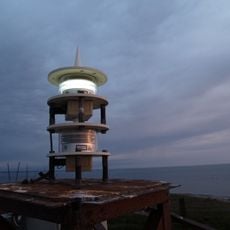
In 1724, Peter the Great ordered the construction of a lighthouse at this location to improve navigation in the Baltic Sea. This decision made the area an important waypoint along maritime trade routes of that era.
The name Pakri comes from the Estonian word for cape and reflects the rugged shoreline that has shaped fishing communities for centuries. The dramatic coastal form remains deeply connected to how local seafaring people understand their landscape.
Visitors should wear sturdy shoes since the paths along the cliff are uneven and slippery, especially in wet conditions. It is important to keep a safe distance from edges as the rock can be unstable due to ongoing erosion.
The visible layers within the cliff face form a geological record spanning millions of years, and with careful observation, fossils and different minerals can be spotted. This geological richness makes the shoreline feel like a natural museum for anyone taking time to really look.
The community of curious travelers
AroundUs brings together thousands of curated places, local tips, and hidden gems, enriched daily by 92,559 contributors worldwide.