Sillamäe, town in Estonia
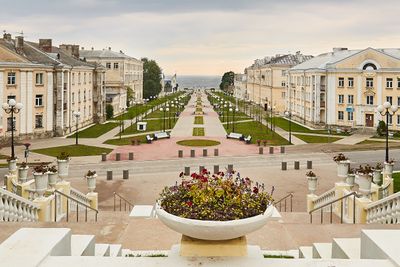
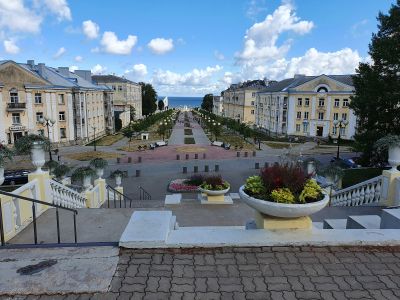
Sillamäe is a city on the Gulf of Finland coast in northern Estonia, situated at the mouth of the Sõtke river. It is characterized by wide streets and post-war buildings constructed mainly in the 1940s that reflect the Soviet architectural style of that period.
Sillamäe emerged as a village called Sillamäggi in the 16th century and became known as a resort town in the 19th century, where figures like composer Tchaikovsky and physiologist Ivan Pavlov stayed. After World War II, it was rebuilt as a closed Soviet city serving secret uranium production for the Soviet nuclear program until Estonia's independence in 1991.
The name Sillamäe comes from Estonian and means Bridge Hill, a name dating back to the 16th century. Today the city has a distinct character shaped by its wide Soviet-era streets leading toward the sea and its predominantly Russian-speaking population who maintain Soviet traditions and cultural habits.
The city is easily reached by bus from Tallinn, a journey of about 3 hours, or by train to the nearby Vaivara station, with Highway 1 also providing road access. Parking is simple to find in town, and when exploring, visitors should note that many shops and signs are in Russian since over 88 percent of the population speaks Russian.
A large monument of the Titan Prometheus holding an atom in his hand stands in the city, symbolizing Sillamae's role in Soviet atomic power. This statue was erected in 1987, just before the Soviet Union collapsed, and remains today as a testament to this unlikely historical connection.
The community of curious travelers
AroundUs brings together thousands of curated places, local tips, and hidden gems, enriched daily by 92,789 contributors worldwide.