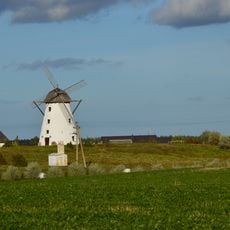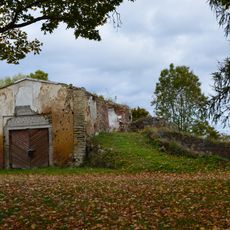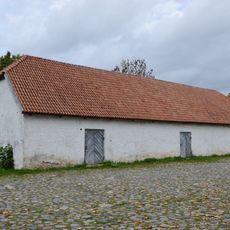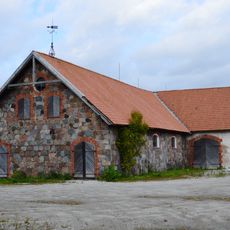
Jõhvi, town in north-eastern Estonia
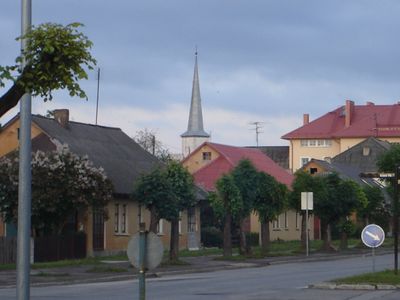
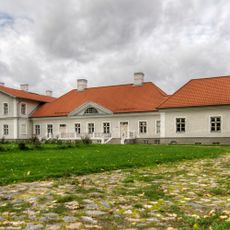
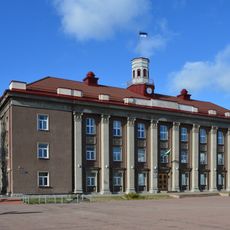
Jõhvi is a small town in northeastern Estonia, about 50 kilometers (31 miles) from the Russian border. It has around 10,000 residents and contains a mix of older and newer buildings set along quiet streets that are easy to walk through.
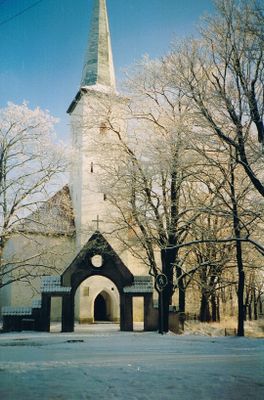
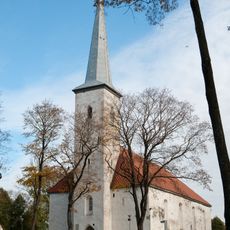
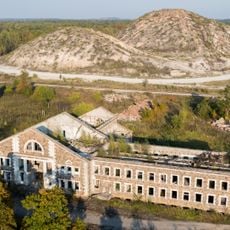
Jõhvi was first recorded in 1241 and originally bore the names Gewi or Jewi. A church built in the 13th century made it an important regional center, and the town later gained official status in 1938 after experiencing growth tied to the oil shale industry.
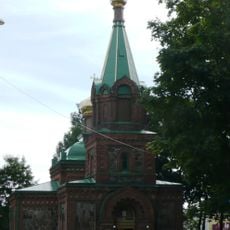
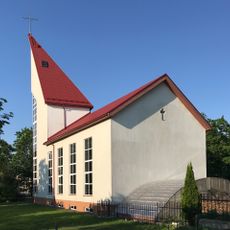
The name Jõhvi reflects its long past as a border settlement shaped by different peoples. Today you see this mixed heritage in the Lutheran and Orthodox churches side by side, and in how locals from different backgrounds share the town's quiet streets and marketplace.
Trains from Tallinn take about 2 hours to reach the town, and buses run frequently from Tallinn, Narva, and Tartu to the local bus station. The streets are easy to walk through at your own pace, and local buses connect Jõhvi with neighboring Kohtla-Järve for wider exploration.
The town was once part of Kohtla-Järve but later became a separate city, making it a notable example of administrative separation. A local landmark is an Iron Hedgehog sculpture made from scrap metal, a figure from Estonian mythology that represents a cultural connection many visitors overlook.
The community of curious travelers
AroundUs brings together thousands of curated places, local tips, and hidden gems, enriched daily by 60,000 contributors worldwide.