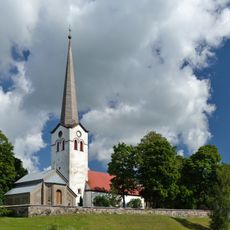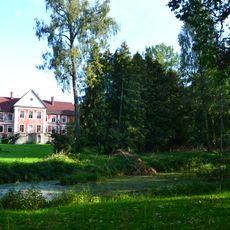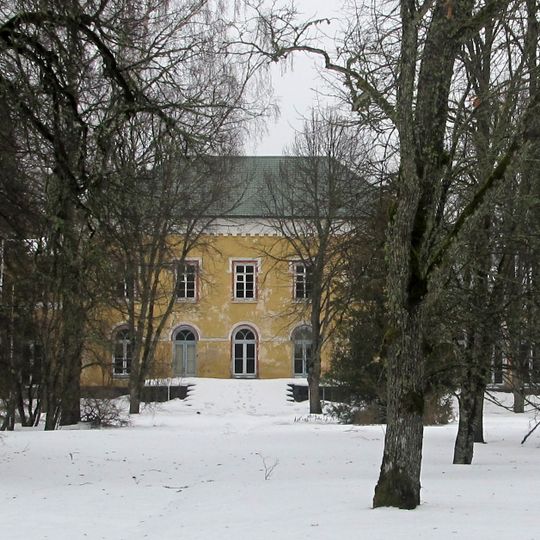
Kose-Uuemõisa manor, Medieval manor house in Kose Parish, Estonia.
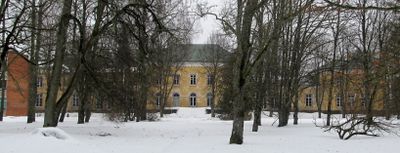
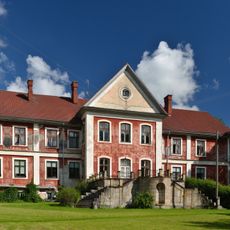
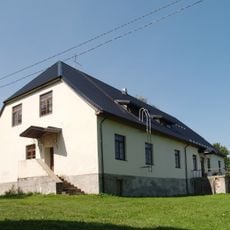
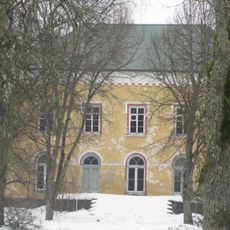
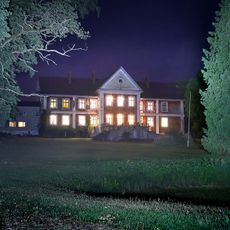
Kose-Uuemõisa is a manor in Kose Parish with roots going back to the 1300s, though the current neo-Renaissance building was constructed in the 1850s. It features stone walls, carefully designed facades, and sits on large grounds with gardens and park areas.
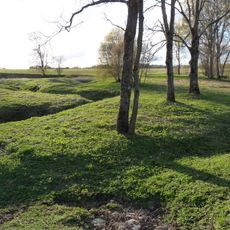
A fortress stood here from 1340 onward, but the current manor house was built as a new neo-Renaissance structure in the middle of the 1800s. The von Uexküll family, Baltic German landowners, undertook this transformation and shaped the site's future development.
The manor reflects how Baltic German nobility of the 1800s lived and what they valued in their homes. Walking through the grounds, you can sense the lifestyle and tastes that shaped this place.
Today the property serves as a local history museum and welcomes visitors interested in learning about regional heritage and daily life in the manor. The location on Pargi Street in Kose Parish makes it straightforward to visit, and the surrounding grounds offer space for walking and exploring.
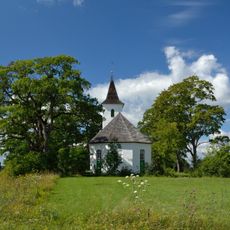
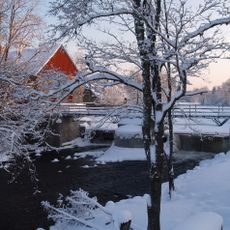
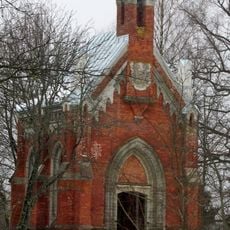
Next to the main house stands a neo-Gothic burial chapel built in 1905 for the von Uexküll family. This chapel sits beside the Pirita River and is an often-overlooked architectural detail that reflects the family's prominence in the region.
The community of curious travelers
AroundUs brings together thousands of curated places, local tips, and hidden gems, enriched daily by 60,000 contributors worldwide.