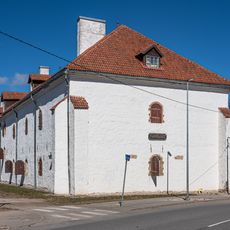
Дом Петра I, Historical residence in Narva, Estonia.
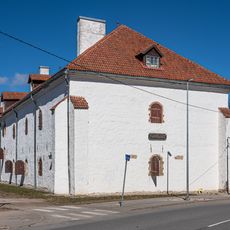
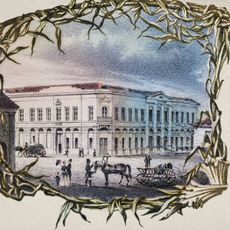
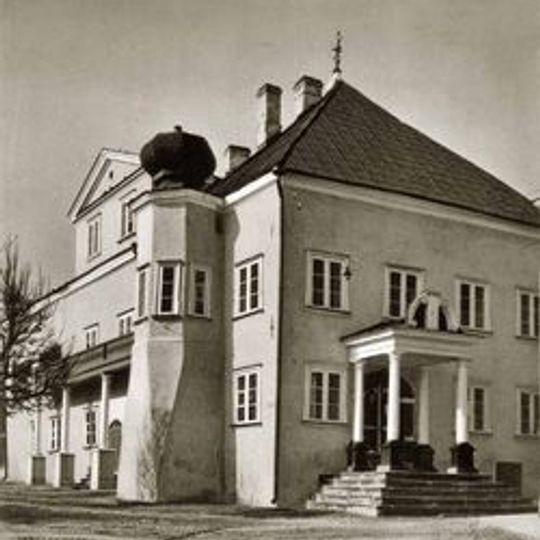
Peter I's House was a stone building with a trapezoidal plan, two floors, an attic, and a basement containing ten storage rooms. The facade featured a portico with four Tuscan columns topped by a wooden sculpture of Mars, the god of war.
The house was built after Russian forces captured Narva from Swedish control in 1704 during the Great Northern War. Peter the Great used it as a residence during his time in the city, marking Russian influence in this newly conquered territory.
The building reflects the early diplomatic and trade connections between Russia and the Baltic region during the early 1700s. Today, visitors sense how both cultures coexisted and influenced each other in this border area.
The building originally stood at Rüütli street 21 but was severely damaged in 1944 during World War II combat operations. Today, visitors can learn about it through museum displays and historical documents that survived the destruction.
The building stood out for blending Italian architectural elements like Tuscan columns with local Baltic construction methods. This fusion shows how European design arrived in the region following Russian conquest and brought new styles to the local building tradition.
The community of curious travelers
AroundUs brings together thousands of curated places, local tips, and hidden gems, enriched daily by 91,687 contributors worldwide.