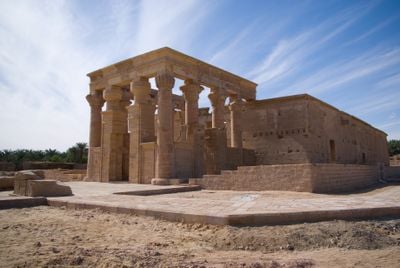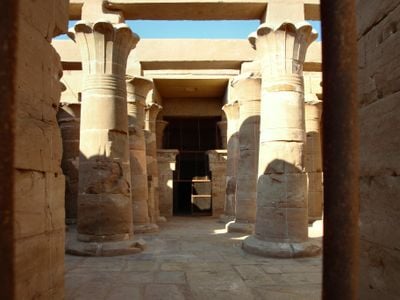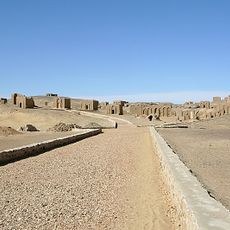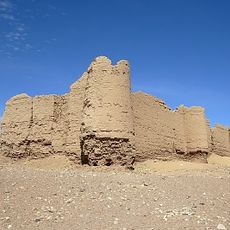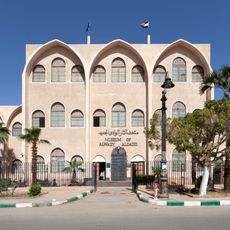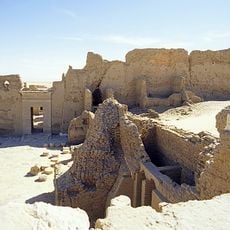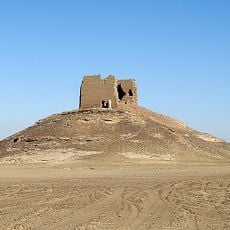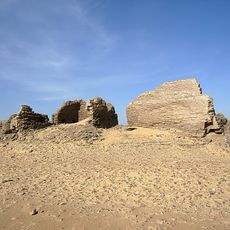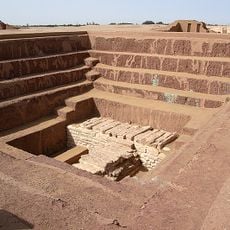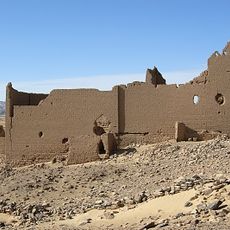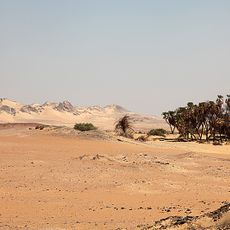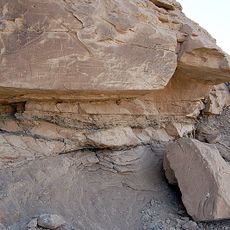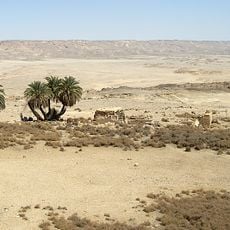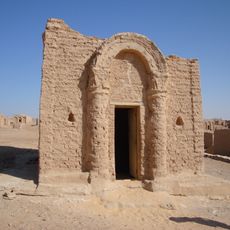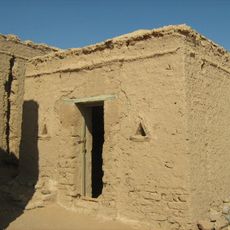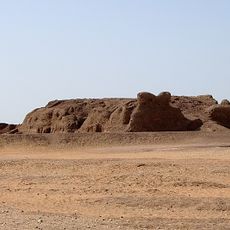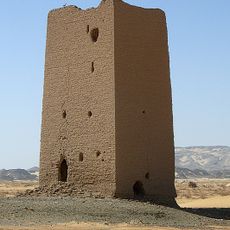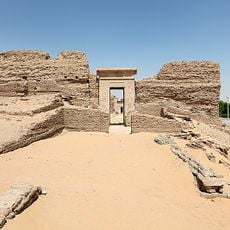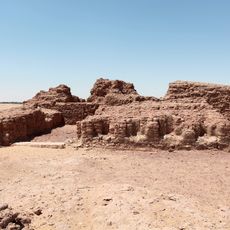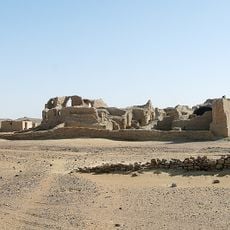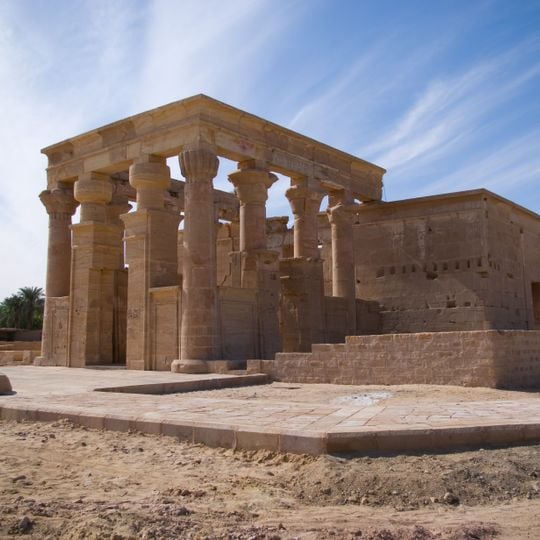
Temple of Hibis, Persian temple in Kharga Oasis, Egypt.
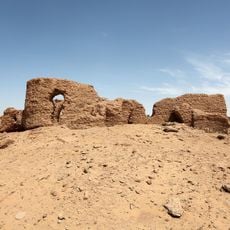
The Temple of Hibis is a ruin located in the Kharga Oasis that combines features of ancient Egyptian and Persian architecture. Eight limestone columns support a monumental kiosk, while the walls are covered with detailed reliefs depicting deities and royal figures.
Construction started during the 26th Dynasty around 588 BCE under Pharaoh Apries, then major additions came from the Persian ruler Darius I around 522 BCE. This mixing of Egyptian and Persian influences shaped the temple's architecture and decorations.
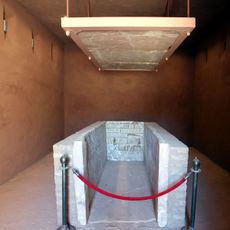
The temple walls display over 700 depictions of Egyptian deities, including Amun, Mut, and Khonsu from the Theban religious tradition. Visitors can still see these detailed carvings of gods and royal figures carved directly into the stone today.
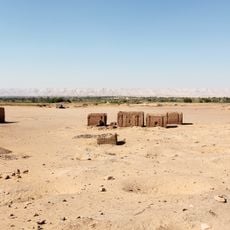
The site sits about 2 kilometers north of Kharga city and requires ongoing conservation work because rising groundwater damages the limestone foundation. Visitors should expect some areas may have limited access due to restoration efforts.
The hypostyle hall walls are shaped like giant papyrus rolls and contain inscriptions of hymns dedicated to the deity Amun. This unusual design blends architectural form with religious text in a creative way.
The community of curious travelers
AroundUs brings together thousands of curated places, local tips, and hidden gems, enriched daily by 92,856 contributors worldwide.